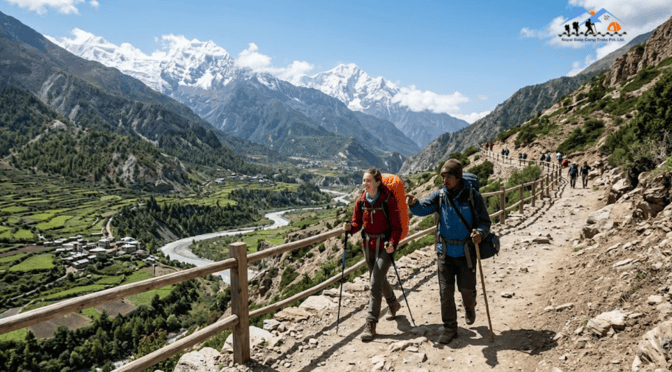
The Langtang trek weather changes rapidly as you gain altitude, affecting everything from the trail conditions to the views you´ll see.
In lower villages, the weather is mild at lower elevations, but at Kyanjin Gompa, nights can get well below freezing.
In spring, the Langtang Valley trek weather is reliable, with blooming rhododendrons and May provides long and consistently dry days.
Autumn, (October and November) is the so-called best trekking season, with unrivaled visibility of the Langtang Lirung mountains.
Winter offers solitude and snow, and the monsoon months make trails wet and risky.
This guide from Nepal Base Camp Treks discusses the best time to visit the Langtang Valley and describes how each seasonal weather feels like.
Langtang Valley Trek Weather Overview

The Langtang trek weather can change rapidly, especially because you are going from the lower valleys to the high Himalayas.
For example, at Syabrubesi (1,550 m) you can expect nice weather, while at Kyanjin Gompa (3,870 m) the temperature at night can drop well below zero even in both the spring and autumn.
At higher elevations above Kyanjin Gompa, on treks like Tserko Ri (4,980 m), it is common for trekkers to contend with strong winds, thin air and sudden snowfalls.
This extreme range makes the Langtang Valley trek weather both unpredictable and exciting.
Weather Conditions in the Langtang Region
The weather in the Langtang Valley represents the seasonal cycle of the mountains in Nepal.
- Spring (March–May): Sunny skies, blooming rhododendrons and temperatures hit 15–20°C during the day. May is one of the better months for clear views and long treks.
- Monsoon (June–August): Lots of rain and humid green valleys, muddy trails and landslides. This off-peak season is only for trekkers who are prepared and have a flexible itinerary and travel insurance.
- Autumn (September–November): Autumn in Nepal is highly recommended. This should be the best season to trek. Fantastic skies, stable temperature and the best month for seeing Langtang Lirung.
- Winter (December–February): It can be dry and tranquil at lower elevations, but there can be bone-chilling cold and snow at lower altitudes as well as in Kyanjin Gompa. The night temperature during winter in Kyanjin Gompa can reach -15°C.
The above conditions have a direct impact on comfort but also affect the cost, packing and even the difficulty of the Langtang Valley trek.
How Altitude Affects Langtang Trek Weather
Altitude of Langtang Trek is the main reason that the weather is different.
At the lower points of the trip, such as Syabrubesi (1,550 m), you can feel the climate is wonderful.
But once you start to gain higher points, by the time you reach Kyanjin Gompa (3,870 m), nighttime is usually well below freezing, even in the ideal trekking months of October and November.
Once past Kyanjin Gompa, you may have a higher side hike to Tserko Ri (4,980 m), where trekkers can face icy winds, probably some snow and thinner air; all making it harder to take even one step.
When you gain elevation at a constant rate of decrease, the temperature drops by approximately 6-7 °C for every 1,000 meters climbed.
You can experience many different climates all in one trek – sub-tropical valleys when you start, cool alpine weather when you arrive at Langtang Village and then harsh mountain conditions when you reach the top.
These climate temperature changes affect whether conditions and the Langtang Valley trek difficulty, which is why getting acclimatized to the altitude is really important.
By allowing your body to slowly acclimatize at altitude, like you do at Kyanjin Gompa, you are giving your body the important time needed to get safe acclimatization.
This decreases the severity of altitude sickness, but allows you to continue enjoying the overwhelming beauty.
Month-by-Month Langtang Trek Weather Guide

You’ll see dramatic variations along the Langtang Valley trek weather portrayal throughout the seasons, making it important to discern the best time based on safety and enjoyment.
Below is a summary of what the weather feels like during each trekking season along the trek route of Langtang, from warm valleys to freezing altitude glaciers.
Langtang Weather in Spring (March to May)
Spring is one of the best seasons to take on the Langtang Valley trek, with fresh rhododendrons blooming and stable weather.
During the day in the lower valley, temperatures remain between 15 and 20 °C, although nighttime in the higher altitudes like Kyanjin Gompa (3,870 m) can drop close to freezing.
Langtang trek weather May conditions are ideal, being long daylight hours and consistently clear skies – perfect for optional side hikes to Kyanjin Ri or Tserko Ri.
This season provides a good balance between conditions, comfort, and moderate trek difficulty – rewarding both beginning and experienced trekkers.
Langtang Weather in Monsoon (June to August)
Langtang trek weather in the monsoon is typically wet, humid and can be risky.
Muddy and slippery trails, potential landslide areas on certain sections of the Valley trek route, fog and clouds blocking the views of Langtang Lirung, but the valley’s greenery and biodiversity are thriving.
Monsoon is off-peak season; therefore, rates might be lower than the Langtang Valley trek rates.
That being said, you should still be prepared with waterproof gear, flexibility in your plans and solid travel insurance.
For those looking to have solitude and unique trekking experiences, the monsoon can provide a quieter experience of Langtang.
Langtang Weather in Monsoon (June to August)
Monsoon weather during the Langtang trek means wet, humid and sometimes dangerous conditions.
Trails are often muddy, more slippery and landslides can also be a part of the trek route.
The cloud will block the visibility of Langtang Lirung, although all vegetation and biodiversity in the valley thrive.
While this is considered an off-peak season, costs are generally lower than the standard Langtang Valley trek cost.
Having waterproof clothes, planning flexibility and proper travel insurance is advisable.
If you are seeking solitude and a specific trekking experience that is quiet, the monsoon will provide you with an alternative view of Langtang.
Langtang Weather in Autumn (September to November)
Autumn is the defined peak season when the weather is crisp, days are often comfortable and there are clear views of the mountains.
By far the most popular time is the Langtang trek weather October due to warm conditions and busy trails, while November is often colder at night but offers one of the clearest views and skies of the year.
The weather patterns and stability also offer some comfort when acclimatizing at the higher altitudes of the Langtang trek, reducing risk for trekkers.
Planning during the autumn period also provides trekkers the benefit of participating in Nepali festivals, such as Dashain and Tihar.
This also gives a closer insight into the cultural experience along the trail.
Many guides consider autumn an ideal season for the best trek in Langtang.
Langtang Weather in Winter (December to February)
Winter adds snow, quietness and extreme cold to the Langtang Valley trek weather.
While days will be mostly clear, the nights at Kyanjin Gompa can drop to –15°C and snow may close off trekking routes in higher areas.
The cold certainly increases the challenge of the Langtang Valley trek.
You will need the appropriate winter gear from your packing list for Langtang Trek, including insulated boots and a –10°C sleeping bag.
However, if you are a seasoned mountain explorer, winter can provide you with undisturbed trails, dramatic scenes and wildlife in Langtang National Park.
This is the time of year when permits to trek in Langtang and preparation matter the most and when you may opt to visit the Langtang Valley with a trekking guide.
Best Time for the Langtang Valley Trek

The Langtang trek weather is never consistent throughout the year; therefore, selecting the best time to trek makes a significant difference.
You will find beauty in each season, but most trekkers consider Spring and Autumn as the best times for Langtang treks.
Best Times for Clear Views and Comfortable Hiking
The Langtang Valley trek has the best weather in spring (March–May) and fall (September–November).
In spring, the blooming rhododendrons add color to the trek trail with long walking days and good visibility.
The fall is an equally exhilarating time to trek as you can expect crisp mountain air, stable weather patterns and some of the clearest mountain views – especially in October and November.
With that said, spring and fall also provide a manageable trek difficulty, good chances for altitude acclimatization and a superb trekking experience.
When Not To Do The Langtang Trek
Some seasons require more of you.
Monsoon (June–August) is for the courageous, with rain making the valley seem lush, but the trails are slippery and prone to landslides.
Many simply feel it isn’t worth it.
Winter (December–February) is for the resilient: snow closes routes on upper trekking routes and nights at altitude are painfully cold.
Without having the right layers from your packing list, this isn’t just uncomfortable; it’s unsafe.
Tip: If you want your trek to be comfortable, culturally rich and safe, then trek in late March–May or early October–November. These are the go-to windows; when the valley can feel open, trails can feel alive and your experience is less about surviving the mountains and more about experiencing them.
How the Weather Can Impact Your Trekking Adventure

The Langtang trek weather will not only affect the nature of your journey, but it will also influence your overall trekking experience.
Trail Conditions Affected by Seasons
In spring or autumn, when the paths are dry, you will feel much more confident about the overall trek than during the monsoon, when it is wet and slippery from the rain.
Secondly, snow in the winter may prevent trekkers from reaching higher trekking routes and ideally, you need trekking preparation to deal with variable weather.
The more you know about each of the overall weather conditions across the seasons, the better you can prepare for surprises along the trails.
Visibility and Photography
Good weather should also mean good views!
In October and November, the sky is usually clear, and you can see every ridge of Langtang Lirung at sunrise.
Alternatively, in May, the long daylight hours allow for wonderful photography opportunities and at sunset, the valley shines a golden glow, showcasing its splendid beauty.
The monsoon may rob the majestic mountains of their grandeur by covering them in clouds, but the clouds create magic with mistiness for the forests.
Local Lifestyle and Seasonal Culture
In Langtang National Park, the weather determines the pace of life.
Autumn marks the time of Nepal’s largest festivals, Dashain and Tihar, so trekkers get to enjoy a lot more than just spectacular mountain scenery and a chance to visit Tamang villages.
In winter, life slows down, as many locals close their tea houses and go to lower villages for the season.
In spring, herders return with their yaks and the smell of fresh cheese in Kyanjin Gompa fills the air.
Did you know? Weather patterns not only affect trekkers’ movement around the park but dictate the activity of animals in Langtang National Park, including red pandas, Himalayan monals and even snow leopards.
What to Pack for Langtang based on Langtang Weather
Packing smart can make or break your Langtang Valley trek.
Langtang trek weather changes quickly with altitude, so layering is your new best friend.
With the right contents in your bag, you will be safe in the winter snow, dry in the summer rain and warm on those cool autumn nights.
Consider your packing list an insurance policy for trekking in every season.
Packing for Spring and Autumn
For spring (March–May) and autumn (September–November), the best times to go trekking, you want layers that work for you.
During daytime trekking, you will wear light shirts and trekking pants, but as soon as the sun sets at Kyanjin Gompa, you will need a fleece or down jacket.
You will want to bring sturdy hiking boots and trekking poles, which make trekking much easier and a reusable water bottle.
Lastly, don’t forget your sunscreen and portable charger, as power can be limited in tea houses.
Monsoon and Winter Essentials
Waterproof gear is essential for trekking in the monsoon (June–August), including a rain jacket, backpack cover and fast-drying clothing.
The trail can be muddy, so good-quality trekking boots and trekking poles make a big difference.
In winter (December–February), the trek difficulty can really increase if you are not carrying the proper gear.
You must carry thermal vest base layers, thermal gloves and a -10°C sleeping bag as you may sleep in freezing temperatures at higher elevations on the Langtang trek.
These essentials are important for safety and comfort on trekking routes where snow is present.
Pro Tip: Many items on your packing list, such as down jackets, sleeping bags, etc., can be rented in Kathmandu for very cheaply. This can help you manage the overall cost of your Langtang Valley trek and still remain safe by using the proper gear.
Trekking Tips for Langtang Adventure
The Langtang trek weather can change rapidly, which means being prepared will make the trek enjoyable and safe.
- Altitude Acclimatization
The air is thin at high altitude and could cause altitude sickness while trekking. So, spend a rest day (or acclimatization day) at Kyanjin Gompa and ascend slowly to allow for safe altitude acclimatization.
- Guided Support
A licensed Langtang Valley trek guide is trained to monitor your health and work at your pace. A guided trek will be safer than trekking without a guide in Langtang Valley.
- Weather Protection
Pack your items with a waterproof jacket, warm layers and sturdy trekking boots. These provide essential protection in every trekking season.
- Trail Safety
In the monsoon season, the trekking trails may be muddy and pose risks of landslides. In winter, snow may block the trail and make your trek more difficult.
- Travel Insurance
Good travel insurance is a must for the Langtang Valley trek. Travel insurance will protect you from delays, weather-related changes and emergency evacuations.
- Eco-Friendly Trekking
When you are trekking through Langtang National Park, be mindful to stick to the route along marked trekking routes to protect fragile areas. Also, remember to respect the surrounding biodiversity and endangered animals inside Langtang National Park.
Plan Your Trek with Nepal Base Camp Treks
The Langtang Valley trek features incredible peaks, diverse culture, and various trekking routes; however, it can be difficult due to matters surrounding the Langtang trek weather and logistics.
With Nepal Base Camp Treks, we take care of everything, permits, guides, meals, and varied start dates, so you can enjoy the journey.
Whether you are worried about the trek difficulty, the trek cost or what things to pack, our knowledgeable team will guide you so that you focus on having a safe and memorable trekking adventure.
Are you ready to go on this adventure? Book your Langtang Valley trek with Nepal Base Camp Treks today.
Langtang Weather Questions – Weather Questions Answered
When is the best month to trek in Langtang?
To trek in Langtang Valley, the best times are either spring (March–May) or autumn (September–November). Weather-wise, Langtang trek weather in May, October and November is particularly advantageous, offering clear skies, settled weather conditions and great mountain views.
Does it snow on the Langtang Trek?
Snow is common in winter (December– February) in the high altitudes of the Langtang trek. However, even in autumn and spring, there can be light snow around Kyanjin Gompa or Tserko Ri.
Can you do the Langtang Trek in the monsoon?
Langtang trek weather is wet with the risk of slippery trails and landslides and the monsoon season (June– August) is considered an off-season. While you can trek during this season, you must be equipped with good waterproof gear and have sufficient travel insurance.
What should I take if the weather changes in Langtang?
A layered clothing system, a waterproof jacket, decent boots and a warm sleeping bag are essentials for your packing list. While trekking in Langtang, you will experience seasonal variations in essential gear; being ready for sudden weather changes is a must on the trek.