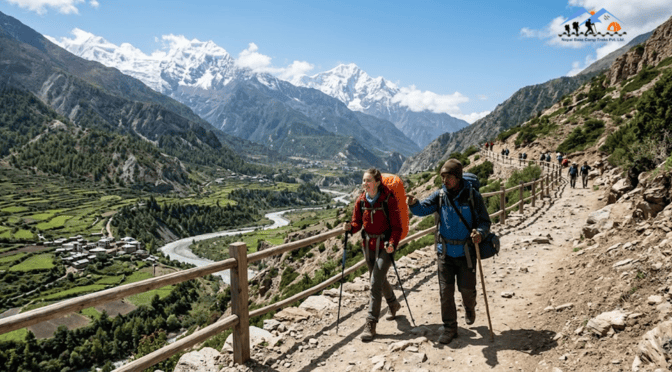
The Himalayas are calling, but recent floods in Nepal have left many travellers questioning their plans. Here is the essential fact: the Everest Base Camp trek remains a potential option for Autumn 2026, with September updates from Nepal’s trekking association reporting the Everest region is operational after the August floods.
However, no mountain journey is completely risk-free. The October flooding in the Budhi Gandaki area reinforces why current weather reports and route conditions matter. Here are seven reasons to consider the journey with confidence, not assumptions.
7 Reasons to Consider Trekking in Autumn 2026
1. The Everest Region Is Geographically Separate from the Main Flood-Affected Corridors
The August floods severely affected parts of Rasuwa, Nuwakot and Dhading. The Everest region lies in a different part of Nepal, and the September update from the Trekking Agencies’ Association of Nepal reported it among the operational trekking destinations.
This geographical distinction matters. Damage in one river corridor does not automatically mean every Himalayan route is affected. Nevertheless, check the latest official advice before departure.
2. Autumn Is a Traditionally Popular Trekking Season
September to November is a popular period for Mount Everest trekking. As the monsoon retreats, conditions can become more favourable for mountain views and walking, although rainfall and snow remain possible.
October and early November are often attractive choices for trekkers seeking clearer skies. Remember that seasonal patterns are not guarantees: local forecasts should guide your final plans.
3. Access to the Everest Region Can Be Different from Road-Based Routes
The standard route generally involves travelling to Lukla by flight before walking through the Khumbu region. This differs from destinations that depend on flood-damaged highways.
Flights can still be delayed or cancelled because of cloud, wind or poor visibility. For an Everest Base Camp tour, allow spare days and confirm flight arrangements rather than relying on a tight international connection.
4. Local Guides Can Help You Make Informed Decisions
Experienced local guides understand regional trail conditions, weather changes and the practical challenges of high-altitude travel. Their knowledge can help you recognise hazards and adjust daily plans when necessary.
Before setting off, ask about recent route inspections, emergency procedures, acclimatisation days and alternatives if conditions deteriorate. Good decisions matter more than sticking rigidly to a timetable.
5. Gradual Acclimatisation Helps Manage Altitude Risks
The trek reaches high elevations, with Everest Base Camp at approximately 5,364 metres and Kala Patthar at around 5,545 metres. Reduced oxygen at these heights can cause altitude sickness, even in fit and experienced walkers.
A sensible itinerary includes gradual ascent and acclimatisation. Headaches, nausea, dizziness and unusual fatigue deserve attention. If symptoms worsen, stop ascending and seek medical guidance; severe symptoms require urgent descent and assistance.
6. Preparation Makes Changing Conditions Easier to Manage
A well-prepared trekker can respond more effectively when weather or transport plans change. Pack layered clothing, waterproof outerwear, sturdy boots, sun protection and essential medication.
Also arrange travel insurance that explicitly covers high-altitude trekking and emergency evacuation. Carry spare funds and keep emergency contacts accessible. Flexibility is an important part of responsible mountain travel.
7. Reliable Updates Are More Useful Than Social Media Rumours
Flood footage can be distressing, but a dramatic image does not establish the condition of every trekking route. Check updates from the Nepal Tourism Board, local authorities and the Trekking Agencies’ Association of Nepal.
For your Mount Everest Base Camp trek, confirm trail access, Lukla flight operations and accommodation availability shortly before departure. Postpone or change plans if authorities or qualified local guides advise against travelling.
Final Takeaway: Make Your Decision with Facts, Not Fear
Autumn 2026 can still be worth considering for an Everest adventure. Reports have indicated that the Everest region remained operational after the August floods, but conditions can change, and the October flooding elsewhere in Nepal is a reminder to remain vigilant.
The best approach is neither panic nor blind optimism. Check current advisories, prepare for altitude, allow travel buffers and follow local safety instructions. An informed decision gives you the strongest foundation for a responsible Himalayan journey.
Turn your Himalayan dream into reality with Nepal Base Camp Treks, your trusted companion for an unforgettable Mount Everest Base Camp trek.
Get in touch with us today!
Frequently Asked Questions (FAQs)
1. Is Everest Base Camp open in Autumn 2026?
September reports from Nepal’s trekking association listed the Everest region as operational after the August floods. Confirm current access and local advisories before travelling.
2. Did the August 2026 floods damage the Everest trekking route?
The reported major flood impacts were concentrated in other districts and river corridors. This does not establish the condition of every trail, bridge or access point today.
3. Is October a good time for an Everest Base Camp tour?
October is traditionally popular because post-monsoon weather can bring clearer mountain views. Conditions still vary, so check forecasts and allow for flight delays.
4. Can beginners attempt Mount Everest trekking?
Beginners may undertake the trek with suitable preparation, gradual acclimatisation and appropriate guidance. Good general fitness helps, but it does not eliminate altitude-related risks.
5. How cold is Everest Base Camp in Autumn?
Temperatures vary considerably with altitude, wind and time of day. Nights at high elevations can fall well below freezing, so insulated layers and a suitable sleeping system are important.
6. Are flights to Lukla operating normally?
Flight operations depend on weather, visibility and operational decisions. Check the latest schedule with your airline or travel operator and keep buffer days available.
7. How long does the Everest Base Camp trek take?
Many itineraries take approximately 12–14 days, including acclimatisation and return travel. The exact duration depends on the route, pace, weather and transport arrangements.
8. Is travel insurance necessary for the Everest Base Camp trek?
Comprehensive insurance is strongly recommended. Confirm that your policy covers trekking at your intended altitude, medical treatment and emergency helicopter evacuation.
9. What should I do if weather conditions worsen during the trek?
Follow your guide’s advice and local authority instructions. Avoid flooded crossings and unstable slopes, and do not continue into hazardous conditions simply to maintain your itinerary.
10. Should I cancel my Mount Everest Base Camp trek because of the floods?
Not automatically. Review current regional advisories, confirm route conditions and assess your own preparedness before deciding; postpone if official guidance identifies an unacceptable risk.