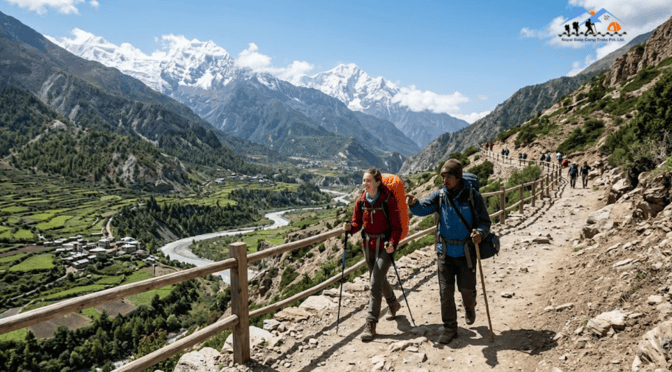
Gokyo Lake Trek

  • $1390

    per person

  • 12 Days

    duration

  • Challenging

    difficulty

    Our "Challenging" trips are ideal for experienced trekkers and adventurers in good physical shape, featuring challenging terrain, long hikes, significant elevation, and remote locations. Wilderness skills are beneficial.

  • Sept, Dec, Feb, May

    best time to visit in

  • 5,357 m / 17,575 ft

    max. elevation

  • NBCT-12000

    trip code

  • Breakfast, Lunch, and Dinner

  • Kathmandu / Kathmandu

  • Standard Hotels & Lodges

  • Fights (Round way)

  • 5-8 Hours Trek

  • Lodge to Lodge

Highlights on Gokyo Valley Trek With Gokyo Lake

  • Trek to the beautiful, turquoise Gokyo Lakes, sacred to Hindus and Buddhists.
  • Climb Gokyo Ri for amazing views of Everest, Lhotse, Makalu, and Cho Oyu.
  • Walk across the massive Ngozumpa Glacier, the largest in the Himalayas.
  • Cross the adventurous Renjo La Pass for stunning panoramic vistas.
  • Experience Sherpa culture in villages like Namche Bazaar, Dole, and Machhermo.
  • Trek in a quieter, less crowded area than the Everest Base Camp route.

Overview of Gokyo Lake Trek

The Gokyo Lake trek offers breathtaking scenery and alpine lake views. Located in the Everest region of Nepal, the trek is between 4700 and 5000 meters, while the highest pass is 5360 meters. It offers stunning views of Mount Everest, Lhotse, Makalu, and Cho Oyo. The trek typically starts from Lukla, following the Dudh Koshi River valley, and ascends through charming Sherpa villages like Namche Bazaar before reaching Gokyo Valley.

However, the Gokyo Lake Trek poses several challenges. The high altitude and rough terrain can make people sick if they don't acclimatize properly. The weather can change suddenly, getting very cold or snowy, which affects safety and schedules. Also, it's remote, so there aren't many hospitals or rescue services. Trekkers must be well-prepared with the right gear and know-how for high-altitude trekking. Despite these challenges, over 1000 trekkers opt for the Gokyo Lake trek because of its quieter trail and beautiful natural views.

The Details Itinerary of Gokyo Lake Trek in Everest Region

Day 01: Fly from Kathmandu (1300 m / 4265 ft) to Lukla (2,840 m / 9,318 ft), then Trek to Phakding (2,610 m / 8,563 ft)

  • 8 km / 5 miles

    Trek Distance

  • 3-4 Hours Trek

    Trek Duration

  • Lukla (2,840 m / 9,318 ft)

    Highest Altitude

  • 35-40 Minutes Flight

    Flight Hours

Early in the morning, we will transfer to the domestic terminal of Kathmandu Airport for our scenic flight to Lukla. The flight will be an exhilarating experience as we soar above the majestic Himalayas. Upon landing at Tenzing-Hillary Airport in Lukla, we will meet our porters and trekking crew. The trek begins with a descent towards the Dudh Koshi River and a pleasant walk to Phakding, a small village where we will spend the night at a local guesthouse.

  • Meals: Breakfast, Lunch, and Dinner
  • Accomodations: Trekkers Inn in Phakding

Day 02: Trek from Phakding (2,610 m / 8,563 ft) to Namche Bazaar (3,440 m / 11,286 ft)

  • 11 km / 6.8 miles

    Trek Distance

  • 5–6 Hours trek

    Trek Duration

  • Namche Bazaar (3,440 m / 11,286 ft)

    Highest Altitude

Today’s trek will take us through pine forests and alongside the Dudh Koshi River. We will cross several suspension bridges, including the famous Hillary Suspension Bridge. Continuing our ascent, we will pass through the villages of Benkar and Monjo before reaching the entrance to Sagarmatha National Park. After completing park formalities at Jorsale, we will make a final steep ascent to Namche Bazaar. We will check into a guesthouse for dinner and an overnight stay.

  • Meals: Breakfast, Lunch, and Dinner
  • Accomodations: The Nest Hotel in Namche Bazaar

Day 03: Acclimatization Day in Namche Bazaar (3,440 m / 11,286 ft)

  • 4–6 km / 2.5–3.7 miles (optional hike)

    Trek Distance

  • 2–4 hours hiking (optional)

    Trek Duration

  • Namche Bazaar (3,440 m / 11,286 ft)

    Highest Altitude

Today will be a rest day at Namche. To ensure proper acclimatization, we will stay active and explore the surroundings. Options include a day hike to Thame or a visit to Khunde. We can also explore Namche Bazaar and visit the Tourist Visitor Center near the Headquarters of Sagarmatha National Park. We will spend another night at the lodge in Namche.

  • Meals: Breakfast, Lunch, and Dinner
  • Accomodations: The Nest Hotel in Namche Bazaar

Day 04: Trek from Namche Bazaar (3,440 m / 11,286 ft) to Khumjung (3,800 m / 12,467 ft)

  • 4 km / 2.5 miles

    Trek Distance

  • 2-3 Hours

    Trek Duration

  • Khumjung (3,800 m / 12,467 ft)

    Highest Altitude

Leaving Namche Bazaar, we will ascend towards Kyangjuma village, where we will pause to enjoy panoramic views of Thamserku and Ama Dablam. Continuing our trek, we will reach Mong La Pass and have lunch with breathtaking views.

After a leisurely lunch, we will descend to Phortse Tenga, passing through dense rhododendron forests and possibly encountering wildlife such as musk deer and Himalayan thar. Our final ascent of the day will take us to the picturesque village of Khumjung, nestled below Khumbila, the sacred mountain of the Sherpas. We will settle into our accommodation for the night and enjoy dinner with views of the Himalayas.

  • Meals: Breakfast, Lunch, and Dinner
  • Accomodations: Panorama Lodge in Khumjung

Day 05: Trek from Khumjung (3,800 m / 12,467 ft) to Dole (4,110 m / 13,484 ft)

  • 10 km / 6.2 miles

    Trek Distance

  • 6-7 Hours

    Trek Duration

  • Dole (4,110 m / 13,484 ft)

    Highest Altitude

Today, we will begin our trek with a steep climb out of Namche Bazaar towards Kyangjuma village, where we will pause to enjoy breathtaking views of Thamserku (6608m) and Ama Dablam (6856m).

As we ascend further, we will reach Mong La Pass (3975m), a perfect spot to rest and admire panoramic views of surrounding snow-capped peaks like Kongde Ri (6187m) and Khumbila (5761m). Continuing our journey, we will descend to Phortse Tenga (3680m) and climb to Dole, a small village surrounded by towering mountains. We will settle into our lodge for a well-deserved rest and overnight stay.

  • Meals: Breakfast, Lunch, and Dinner
  • Accomodations: Namaste Hotel in Dole

Day 06: Trek from Dole (4,110 m / 13,484 ft) to Machhermo (4,470 m / 14,665 ft)

  • 6 km / 3.7 miles

    Trek Distance

  • 5-6 Hours

    Trek Duration

  • Machhermo (4,470 m / 14,665 ft)

    Highest Altitude

Leaving Dole, we will continue our ascent along the Dudh Koshi River valley. The trail will offer stunning views of Cho Oyu (8188m), the sixth highest mountain in the world, as well as Kantega (6779m) and Thamserku (6608m). We will pass through lush rhododendron forests and small Sherpa settlements, where we can observe traditional stone houses and prayer flags fluttering in the wind. After several hours of trekking, we will arrive at Machhermo, a quaint village nestled beneath the towering peaks of the Khumbu region.

  • Meals: Breakfast, Lunch, and Dinner
  • Accomodations: Machhermo Guest House in Machhermo

Day 07: Trek from Machhermo (4,470 m / 14,665 ft) to Gokyo Lake (4,800 m / 15,748 ft)

  • 7 km / 4.3 miles

    Trek Distance

  • 5-6 Hours

    Trek Duration

  • Gokyo Lake (4,800 m / 15,748 ft)

    Highest Altitude

Today’s trek will take us alongside the Dudh Koshi River and through yak pastures as we gradually ascend towards Gokyo. Along the way, we will pass several stunning turquoise lakes, including Longpongo, Taboche Tsho, and Dudh Pokhari. These lakes are sacred to the Sherpa people and offer serene reflections of the surrounding snow-capped peaks. As we approach Gokyo, we will be greeted by the majestic Gokyo Lake, set against Cho Oyu and Gyachung Kang (7922m). We will settle into our campsite by the lake and spend the night.

  • Meals: Breakfast, Lunch, and Dinner
  • Accomodations: Namaste Hotel in Gokyo

Day 08: Climb Gokyo Ri (5,357 m / 17,575 ft) and Return to Dole (4,110 m / 13,484 ft)

  • 14 km / 8.7 miles

    Trek Distance

  • 7-8 Hours Total

    Trek Duration

  • Gokyo Ri (5,357 m / 17,575 ft)

    Highest Altitude

On 9th day, we will be a challenging yet rewarding day as we ascend Gokyo Ri (5357m), a peak offering one of the best panoramic views of the Everest region. From the summit, we will be treated to stunning vistas of Mount Everest (8848m), Lhotse (8516m), Makalu (8481m), and Cho Oyu (8188m), among others.

If weather permits, we will spend some time at the top, soaking in the breathtaking scenery and capturing memorable photographs. After descending back to Gokyo, we will retrace our steps towards Dole, passing through Machhermo and enjoying the familiar landscapes in reverse. Overnight stay at a lodge in Dole.

  • Meals: Breakfast, Lunch, and Dinner
  • Accomodations: Namaste Hotel in Dole

Day 09: Trek from Dole (4,110 m / 13,484 ft) to Tengboche Monastery (3,860 m / 12,664 ft) via Phortse (3,800 m / 12,467 ft)

  • 12 km / 7.5 miles

    Trek Distance

  • 5-8 Hours

    Trek Duration

  • Tengboche Monastery (3,860 m / 12,664 ft)

    Highest Altitude

Leaving Dole, we will descend through rhododendron forests and yak pastures to reach Phortse Tenga, a small village in a scenic valley. Crossing the Dudh Koshi River, we will ascend steeply to Phortse village, known for its traditional Sherpa culture and stunning views of Kangtega (6685m) and Ama Dablam (6856m).

Continuing, we will trek towards Pangboche, home to the oldest monastery in the Khumbu region. After a steep ascent, we will finally reach Tengboche, where the famous Tengboche Monastery awaits us with its serene ambiance and panoramic views of Everest, Lhotse, and Ama Dablam.

  • Meals: Breakfast, Lunch, and Dinner
  • Accomodations: Himalaya Hotel in Tengboche

Day 10: Trek from Tengboche (3,860 m / 12,664 ft) to Monjo (2,835 m / 9,301 ft) via Namche Bazaar

  • 16 km / 10 miles

    Trek Distance

  • 6-8 Hours

    Trek Duration

  • Namche Bazaar (3,440 m / 11,286 ft)

    Highest Altitude

Today’s trek will begin with a descent through rhododendron and pine forests to Phunki Tenga, where we will cross a suspension bridge over the Dudh Koshi River. Passing through the bustling town of Namche Bazaar, we will continue downhill to Monjo. Along the way, we will reflect on our journey through the Khumbu region and enjoy the last views of the Himalayan peaks. Overnight stay at a lodge in Monjo.

  • Meals: Breakfast, Lunch, and Dinner
  • Accomodations: Mt. Kailash Lodge at Monjo

Day 11: Trek from Monjo (2,835 m / 9,301 ft) to Lukla (2,840 m / 9,318 ft)

  • 13 km / 8 miles

    Trek Distance

  • 5-6 Hours

    Trek Duration

  • Lukla (2,840 m / 9,318 ft)

    Highest Altitude

Our final day of trekking will take us back to Lukla along familiar trails, retracing our steps through villages and forests. We will cross several suspension bridges and enjoy our last views of the towering peaks. Upon reaching Lukla, we will celebrate the successful completion of our journey with the trekking crew and enjoy a farewell dinner together. Overnight stay at Lukla

  • Meals: Breakfast, Lunch, and Dinner
  • Accomodations: Echo Paradise Hotel at Lukla

Day 12: Fly back to Kathmandu and transfer to respective hotels

  • 138 km / 86 miles (by air)

    Trek Distance

  • Kathmandu (1300 m / 4265 ft)

    Highest Altitude

  • 30–35 Minute Flight

    Flight Hours

We will catch an early morning flight from Lukla to Kathmandu, where we will transfer to our respective hotels. The rest of the day will be free for rest or optional exploration of Kathmandu. In the evening, we can enjoy a farewell dinner to celebrate our successful trek and bid farewell to our trekking companions and crew.

  • Meals: Breakfast, Lunch, and Dinner

Important Note for Trekkers

Important Itinerary Note:

Please be advised that our standard itinerary may vary slightly due to circumstances beyond our control. Factors such as flight delays or cancellations (especially to/from Lukla), unpredictable weather, natural disasters, newly enforced government regulations, political events, or individual health conditions can affect the schedule. In such cases, our experienced team will assess the situation and take the best possible alternative route or plan to resume the trek safely and effectively. We sincerely appreciate your understanding, flexibility, and cooperation during such times.

We strongly recommend adding at least two spare buffer days after your trek to accommodate possible delays. This will help ensure you don’t face issues with your international flight connections. You also have the opportunity to customize your trip by including sightseeing tours in Kathmandu, adventure activities, or day trips before or after the trek to make the most of your time in Nepal.

Altitude in:

Cost Included in Gokyo Lake Trek

  • Domestic Airport Pick Up and Drop Off by Private Transportations
  • Domestic Flight Fair Kathmandu to Lukla and Lukla to Kathmandu
  • Full Meal During the Trek (Breakfast, Lunch, and Dinner )
  • Tea and Coffee of your choice during the trek from Lukla)
  • All TrekPermits: Sagarmath National Park & Lukla Rural
  • Best accommodations in the lodge/tea houses during the trek
  • An experienced, helpful, friendly Guidevfrom Lukla to Lukla
  • 1 porter for each 2 trekkers
  • Helicopter service which will be paid by your Travel insurance company
  • Medical supplies (first aid kit will be available for cold,fever )
  • All government taxes & Service charges of the company
  • Equipment: Sleeping bag, down Jacket, Duffel bag, Day Pack

Cost Exclude

  • Nepal Visa, Personal Travel Insurance, Medications,
  • Meals and Accommodation in Kathmandu
  • Deserts (cakes, bakes, and pies), Additional size of Pots Hot Drinks,
  • Bottled drinksBoiled water, Electronic device re-charge,  the trekking Wi-Fi
  • Personal Expenses And Porter or Sharing Porter From Lukla
  • Your Travel insurance in case needed for emergency air rescue.
  • Best Tipping for Guide, and Porter Appreciated

FAQs For Gokyo Lake Trek

How hard is Gokyo Lake Trek?

The Gokyo Lake Trek is moderately challenging. It suits trekkers with good physical fitness and prior trekking experience. One of the hardest sections of this trek is its altitude, which reached up to 5357 meters at Gokyo Ri. Thus, it would be best to have proper planning and an experienced guide for a successful trek.

How do you go to Gokyo Lake from Kathmandu?

To get to Gokyo Lake from Kathmandu, you typically start with a flight from Kathmandu to Lukla. It can be followed by a trek through various villages and landscapes, including Namche Bazaar and Dole, before reaching Gokyo Lake. The trek usually takes around 10-14 days round trip, depending on the specific itinerary.

Do you need a guide for the Gokyo Lake Trek

While having a guide for the Gokyo Lake Trek is not mandatory, it is highly recommended for several reasons. Guides are familiar with the terrain. They help you navigate the way while ensuring safety. Also, guides provide you with deep insights into local culture and wildlife.

Can you see Everest From Gokyo Lake?

Yes, from Gokyo Ri, a nearby viewpoint, you can get a spectacular view of Mount Everest along with stunning scenery of other towering peaks in the Everest region. The view of Everest from Gokyo Ri is clear, offering you a breathtaking reward for your efforts.

What is the difference between Everest Base Camp and Gokyo Lake?

The main differences between the Everest Base Camp (EBC) trek and the Gokyo Lake trek lie in their routes and highlights:

1. The Gokyo Lake trek offers stunning views of multiple turquoise lakes (Gokyo Lakes), whereas the Everest Base Camp trek focuses more on the glacier and icefall terrain.

2. The Gokyo Lake trek is less crowded and offers a quieter, more serene experience than the busier Everest Base Camp route.

3. You can see the clear views of Mount Everest from the Gokyo Lake trek, while you cannot witness the beautiful Mt Everest upon reaching the base Camp.

Gokyo Lake Trek Introduction

During the 13-day Gokyo Lake Trek, we will enjoy breathtaking views of iconic mountains, including Mount Everest. We gain insight into the lives of the renowned Sherpa climbers. We will enter Sagarmatha National Park, a UNESCO World Heritage site popular for its high-altitude Himalayan Buddhist monasteries. The trek culminates in reaching the Everest Gokyo Lake Valley, near the world’s tallest peak, Everest.

Our 16-day itinerary caters to physically fit trekkers seeking challenges off the beaten path, including the option to trek via the alternative Chola Pass to Gokyo Lake Valley from Everest Base Camp. For those with limited time and experience, a 14-day Everest Base Camp trek is also available.

Accommodations include a stay at the 3-star Hotel International Guest House in Kathmandu and teahouses during the trek, all on a twin-shared basis. Rooms in Kathmandu and at lower elevations typically have attached washrooms, though shared facilities may be the norm in some trekking areas and at higher elevations. Single rooms are more readily available in Kathmandu and lower elevation regions than at higher altitudes.

Why Trek The Gokyo Lake Trail?

Although the Gokyo Lake trek has problems, the scenic trail will never disappoint you. The primary reason for you to take this trial is the stunning views of the Himalayas. You can witness beautiful snow-capped mountains like Everest, Lhotse, Makalu, and Cho Oyo. Also, this trek is perfect for you if you want fewer crowds and a peaceful surrounding area. Compared to the Everest Base Camp trek, this trekking trail is easy and beginner-friendly.

Along the trail, you will witness Sherpa villages such as Namche Bazaar and Khumjung. Thus, it allows you to immerse yourself in Sherpa culture and hospitality. If you plan to add more adventure to your trekking journey, you can add some extra destinations, such as a pass trek. Although the trek can be challenging, you can achieve it with good physical fitness and mental endurance.

Meals and Accommodations During Gokyo Trek

During the Gokyo Lake trek, teahouses provide meals along the trail. Breakfast typically includes options like porridge, toast, eggs, pancakes, and tea or coffee, with some teahouses offering traditional Tibetan bread. Lunch usually served at a teahouse along the route, might include dal bhat (lentil soup with rice), noodles, pasta, momos (dumplings), and soups. Dinner is similar to lunch, featuring hot dishes like curries, fried rice, and spaghetti, often served in the communal dining area of the teahouse. Snacks such as chocolate bars, biscuits, nuts, and energy bars are available, and trekkers can also purchase tea, coffee, and bottled water.

Accommodations during the trek mainly consist of teahouses offering basic but comfortable lodging. Rooms usually have twin beds with mattresses, pillows, and blankets, although they can be pretty cold at higher altitudes, making a warm sleeping bag essential. The dining area is typically the only heated space, with a stove burning yak dung or wood. Hot showers are available in most teahouses for an extra charge, while some higher-altitude locations may only offer cold showers. Wi-Fi and device charging are free, though the connection can be slow and unreliable.

What are Permits Required for Gokyo?

When trekking to Gokyo Lake, you must obtain specific permits to ensure you are legally allowed to enter and hike in the region. Here are the main permits required:

  • Sagarmatha National Park Entry Permit: This permit is necessary to enter Sagarmatha National Park, where Gokyo Lake is located. It can be obtained in Kathmandu at the Nepal Tourism Board Office or the park entrance in Monjo. The cost is approximately NPR 3,000 for foreign nationals.
  • TIMS Card (Trekkers’ Information Management System): The TIMS card is required for all trekkers in Nepal to help ensure their safety. There are two types of TIMS cards: independent trekkers and those trekking with an agency. The TIMS card can be obtained from the Nepal Tourism Board Office in Kathmandu or Pokhara. The cost is around NPR 2,000 for independent trekkers and NPR 1,000 for trekkers with an organized group.
  • Local Area Permit: Sometimes, an additional local permit might be required for trekking in certain areas, such as the Khumbu Pasang Lhamu Rural Municipality Permit. This can be obtained in Lukla or at checkpoints along the trail. The cost is around NPR 2,000.

Best Season For Trek To the Gokyo Ri and Gokyo Lake

The best seasons for Gokyo Lake Trek are pre-monsoon and post-monsoon. This means the Gokyo Lake Trek is perfect for trekking in spring and Autumn. Here is a brief explanation:

Autumn

September to November is an ideal time to explore the beauty of Gokyo Lake. This season offers the best climate with moderate temperatures. Besides, the air is also clear, and you can witness the beautiful lake amidst some of the most famous Himalayan peaks. The Autumn falls under the festive season. Thus, trekking during this season also provides the best cultural immersion. However, make sure that, with its peak time, you can encounter a massive crow throughout the trial.

Spring

Spring begins in March and ends in May. Like Autumn, you will encounter the best temperature and clear skies in these months. Thus, you can also see the best surrounding views during this season. This season also welcomes the blooming rhododendron flowers. The trail is adorned with beautiful, vibrant colors, making it more travel-friendly. However, like autumn, this season’s trekking trail is filled with huge crowds.

Trekking Route For Gokyo Lake Trek

The Gokyo Lake Trek route begins with a flight from Kathmandu to Lukla. Upon reaching there, we will descend to Phakding, passing through charming Sherpa villages and dense forests. Following the Dudh Koshi River, we will gradually climb to Namche Bazaar. We will spend a day acclimatizing and exploring the local markets, museums, and monasteries here.

Leaving Namche Bazaar, the trek continues towards Dole, ascending through a landscape that gradually changes from lush greenery to more rugged terrain. From Namche Bazaar, we will head towards Dole. The trail then goes through the Khumjung village. We will pass through small villages and teahouses. The path from Dole to Machhermo is steep but offers excellent views of the mountains.

The last part of the trek takes us from Machhermo to the beautiful Gokyo Lakes. We will cross the Ngozumpa Glacier and reach the high-altitude lakes in Gokyo Valley. After watching the stunning views of Everest and other mountain peaks, our journey back to Lukla starts here. We will take the same trail back. Finally, after reaching Lukla, we will fly back to Kathmandu. Thus ending our adventure here.

A Typical Day In Gokyo Lake Trek

Our typical day trekking on the Gokyo Lake Trail starts early with a hearty breakfast at a cozy lodge. As the sun rises over the mountains, we will set off around 8 or 9 AM, navigating through the diverse landscapes of Sherpa villages, dense forests, and rushing rivers. We will also trek for a short break along the trail. It offers opportunities to catch breathtaking mountain views and connect with fellow adventurers.

We will stop at a tea house or scenic spot by midday for a refueling lunch break with dishes like dal bhat or noodles. In the afternoon, the trek continues towards the next lodge, navigating varying terrains that may include gentle slopes or challenging climbs. Arriving by late afternoon, we will settle into accommodations, enjoying warm drinks and conversations with fellow trekkers. Dinner is served early, allowing one to replenish energy before a restful night under the stars.

Difficulty Level of Gokyo Trek

The Gokyo Lake Trek is moderately complex. However, the range of difficulty mainly depends upon factors like fitness level, altitude experience, and weather conditions. The highest altitude we reach is above 5000 meters. Thus, there is a high chance of getting altitude sickness. Similarly, we must continuously go 6 to 7 hours of daily hikes uphill and downhill for about 10 to 14 days. This can also be another hindrance that can add difficulty to your trek.

Furthermore, the weather in the Himalayas is unpredictable. The temperature during the day can be moderate during the peak season. However, the temperature during the night can go below 0 degrees. Thus, it is essential to check the weather before deciding. There is also the chance for snow and occasional storms. While the trail is manageable for trekkers with good fitness and preparation, it’s essential to be mindful of altitude effects and to plan accordingly.

Preparation For Gokyo Lake Trek

Preparing for a trek to Gokyo Lake involves several vital steps to ensure a safe and enjoyable journey:

Physical Fitness: Start a fitness regimen at least two months before the trek. Focus on cardio exercises like running, cycling, and swimming to build endurance. Strength training, especially for legs and core, will help with the rugged terrain.

Acclimatization: Plan your trek with gradual ascents and rest days to prevent altitude sickness. Spend a few days acclimatizing in Namche Bazaar, a common stop along the route. Hydrate well and avoid alcohol and smoking to aid acclimatization.

Gear and Clothing: You should invest in good-quality trekking gear. Essentials include a sturdy pair of trekking boots, warm clothing (layers are best), a waterproof jacket, gloves, a hat, and thermal wear. A reliable backpack, a sleeping bag rated for cold temperatures, and trekking poles are also crucial. Don’t forget sunglasses, sunscreen, and a first aid kit.

Permits and Documentation: Obtain the necessary permits for trekking in the Sagarmatha National Park. You will need a TIMS (Trekkers’ Information Management System) card and a Sagarmatha National Park entry permit. Carry photocopies of your passport and travel insurance.

Mental Preparation: You should prepare for challenging days and unpredictable weather. Stay positive and flexible with your plans. Trekking with a group can provide motivation and support during tough times.

Travel Insurance

Travel insurance is essential for anyone planning a trek like the Gokyo Lake Trail. It provides financial protection against unforeseen events. This includes everything from trip cancellations and delays to medical emergencies and lost luggage. Travel insurance covers medical expenses if you get injured or fall ill during your trek, including emergency evacuation to a medical facility if needed.

When choosing travel insurance for trekking, you should ensure it includes coverage for high-altitude activities and adventure sports and adequate medical coverage for the region you’re visiting. It’s important to carefully read the policy details to understand what’s covered and any exclusions. Always invest in comprehensive travel insurance as it provides peace of mind. Thus, you can enjoy your trek knowing you are financially protected in emergencies.

Travel Tips

  • Always bring essential gear and equipment. Double check if you are packing and never miss to make a travel checklist.
  • You should drink plenty of water if you are trekking to higher altitudes. No matter if
  • If you are not thirsty, you should take 3 to 4 liters of water daily.
  • Take it slow to acclimatize to the altitude. Plan rest days and ascend gradually to reduce the risk of altitude sickness.
  • Show your respect towards the local culture and tradition, and learn a few Nepali phrases that can help you communicate with local people.
  • Carry energy bars, nuts, and dried fruits for quick energy boosts during long stretches between meals.
  • Keep a list of emergency contacts handy, including local authorities, your embassy, and your travel insurance provider.

Why Take Gokyo Lake Trek With Nepal Base Camp Treks?

Are you planning for your next trip to Gokyo Lake? Do not worry. Here we are. Nepal Base Camp Trek offers the best 14-day trekking experience in the Himalayas. You can visit our site and make a booking. Apart from that, you can also call and ask for the details if you are confused. We are a government-registered company that has operated for decades. We have been providing the best service to our customers, and our reviews are our greatest assets.

Safety is our foremost priority. We create an itinerary tailored to each individual. Additionally, the central feature that distinguishes us is the customizable itinerary feature. If you are a solo or duo trekking in Nepal, we offer an itinerary tailored to your wishes and preferences. Furthermore, we will also give you the best budget-friendly option. You can feel free to book with us, as we will take care of your meals, accommodation, and other details. Additionally, our experienced guides will always be on hand to guide you, ensuring your safety.

Join our Private Departure Group Trips

Our private departure group trips combine the best value in the market with top-notch facilities, offering a fully customized travel experience for families, friends, or special interest groups. Enjoy the freedom to choose your own dates and itinerary, all while traveling in comfort, without compromising on quality or budget.

Plan your private Trip

Plan your private adventure your way,  no fixed departures, no limits. Share your travel ideas, and we’ll create a custom trip with the best price and top facilities, just for you.

There is no additional cost on the private trip. Group discount will be applied on checkout.

star

Traveler's Review

Read all Reviews
Teresa Ojeda
5.0

Missing Nepal and Sappa!

Sapa amigo!!!! I can´t tell you how much we think of BEAUTIFUL NEPAL and of YOU! the wonderful time we spent together. We are totally planning to go back as soon as we can, and this time bring our son and daughter. BIG BIG HUG tere & walter Plaza Principle S/N Centro Malinalco, Estado De Mexico C.P.52 44o Mexico

per person USD 1,340

Book Now

Plan your base camp trek with Sappa

Please feel free to reach out to use via email, phone, WhatsApp Chat or use our free trip planner to plan your trip.

Mr. Sappa Lama Executive Director NBCT

Sappa Lama

Trekking Guide with experience of 20+ years in tourism
Plan Your Trip