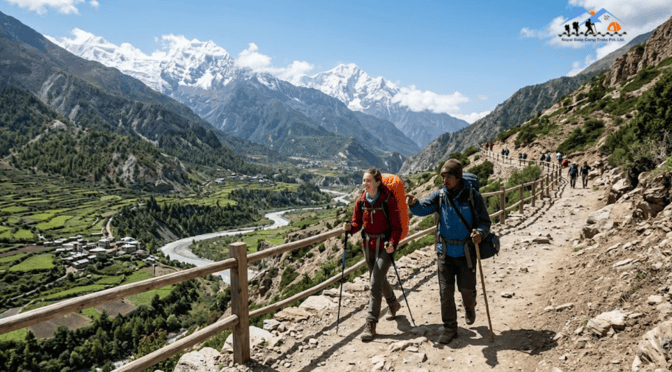
So, you’re getting ready for your adventure to the Langtang Valley and you should know: smart packing is everything.
Your Langtang trek packing list isn’t just what you wear, it’s your insurance policy against the variance of altitude, weather and rugged terrain of the Himalayas.
If you forget the right gear, even little things, like trekking poles or a waterproof jacket, it’s going to be a tough journey!
But don’t worry.
At Nepal Base Camp Treks, we’ve successfully guided thousands of trekkers through Langtang National Park and we have a deep understanding of what works and what doesn’t.
In this guide, you’ll not only receive the essential packing list for Langtang trek, but also sensible advice for avoiding overpacking, including eco-friendly options and information on where to rent/buy gear in Kathmandu.
Whether you are trekking for the first time or you’re an experienced hiker, this is your ultimate packing list for Langtang Valley trek to ensure you’re knowledgeable, safe and prepared to have an awesome time!
Why Your Langtang Valley Trek Packing List Matters

Trekkers do not appreciate the work that lies ahead before heading off on their trek.
When creating your Langtang trek packing list, it is not about putting “more” things in your pack; it is about putting the “right” things in it.
Adventure travel essentials differ from city travel essentials, as they can make the difference between enjoying the trek and dragging yourself through every day of it.
Pro Tip: travel light, pack 12-15 kg maximum. Anything more, you will be weighed down and at serious risk of injury.
Understanding the Terrain and Weather of Langtang
The Langtang Valley trek is situated on the border of Langtang National Park, meaning it takes you through a changing landscape from forested trails to alpine terrain.
There are villages located at 1,400 m, with the high mountain destination situated over 4000 m.
That means the weather of Langtang could change from sunny and hot to snowy at any of the lower altitudes in a few short hours.
Weather on the Langtang trek varies, as well: spring and fall are the most clear and dry treks; summer treks mean expect rain and leeches on the trail; winter treks require extremely insulated gear.
It is also important to consider the Langtang trek altitude, because the high-altitude locations such as Kyanjin Gompa are quite cold at night, so all trekkers will have to layer.
Did You Know? Freezing overnight temperatures below -10°C do occur at Kyanjin Gompa in winter, despite the daytime weather being comfortable.
Common Mistakes Trekkers Make When They Pack
One of the biggest mistakes trekkers make is packing too many unnecessary things, like extra jeans, bulky personal hygiene items or extra pairs of shoes.
At times, it even forgets the little but really important stuff, like a water filter, refillable water bottles or other eco-friendly products.
Besides putting yourself under unnecessary pressure at the time of packing, forgetting them also leads to serious environmental damage to already fragile Himalayan trails.
If you pack the right trekking gear, you will look and feel healthier, improve sustainability and carry less!
Important Clothing for the Langtang Trek

Your clothing option will utilize a layering plan of base, insulation and outer layers.
This is good because you will have flexibility in temperatures from warm valleys to icy high passes.
A smart packing list for Langtang trek will always be based on the delicate balance of comfort, weight and warmth.
Base Layer (Wick Moisture)
A moisture-wicking base is the first layer.
The best base layers are Merino wool or synthetic base layers, which dry quickly and still insulate even when wet.
Do not wear cotton! It absorbs sweat by holding it against your skin and then can chill you at higher elevations.
It is smart to have at least quick-dry underwear and thermal leggings, also, for hygiene purposes.
Insulation Layer (Warmth for altitude)
Once you reach about 3000 meters, you will realize that evenings and mornings can be agonizingly cold.
You should take a mid-layer fleece jacket, an insulated down jacket, thermal leggings or warm leggings.
Additionally, you will want gloves, a thermal hat and thick socks.
A good quality sleeping bag rated for -10 degrees Celsius will help with altitude sickness because staying warm at night maintains your general condition at higher elevations.
Outer Layer (Waterproof / Windproof)
The outer layer acts as the last line of defense.
Having a waterproof jacket and windproof pants in your Langtang trek packing list for sudden snow, rain or cold winds.
Look for lightweight and breathable rain gear so you don’t overheat on climbs.
Pro Tip: Look for jackets that have ventilation zippers (pit zips). They allow you to cool yourself down without removing layers in the unpredictable Langtang weather.
Footwear and Trekking Accessories
Your feet have to take you every step of the Langtang Valley trek, which means the right footwear and accessories are crucial.
Blisters, sore knees or wet footwear can turn a trek into a nightmare.
That’s why you have to get good quality, comfortable and appropriate footwear before you hike.
Trekking Boots vs. Trail Runners
Most trekkers will want to wear a sturdy boot with ankle support.
Boots give a good grip on rocky ground and decrease the risk of ankle injury in particularly when going downhill.
Trail runners are much lighter and dry much quicker; however, they offer significantly less protection for snow or loose stone.
If you’re relatively new to trekking in the mountains, it’s better to just go with the hiking boots.
Pro Tip: Pick up a small packet of foot powder. It will help keep your feet dry, free from foot fungus and provide comfort on long hiking days.
Trekking Poles, Gaiters and Socks
Trekking poles are a game-changer for steep ascents and long descents.
They can reduce strain on your knees by 25% and assist in maintaining balance.
Gaiters are great for keeping snow, dust and leeches out of your boots (definitely very useful if you are in the monsoon),
Don’t forget trekking poles and quality socks (most likely a wool or synthetic variety).
Then pack 3-4 more pairs of socks so you have a rotational supply with one left dry for sleeping.
Did you know? In Langtang, Yaks and Mules often travel similar trails as trekkers, so having trekking poles adds stability for breaking aside onto narrow paths to let them pass.
Backpack and Load-Carrying Advice
A good backpack not only carries your gear, but in doing so protects your spine, conserves energy and enhances your overall enjoyment of the trek.
For the Langtang trek packing list, it is crucial to make informed choices.
We suggest you consider carefully, because essentially you will live out of your pack for the 7–10 days you are on that trek.
Choosing a Lightweight Backpack (40-60L)
A lightweight pack in the range of 40-60 liters is ideal for a Langtang trek.
Look for padded hip belts, adjustable load straps, good ventilation for your back, etc.
Also, consider adding features such as an emergency whistle incorporated into the chest strap for safety.
You want to keep the load around 12-15 kg to avoid tiring out too quickly.
Common Mistake: Failing to pack the heavier items at the bottom of the pack will create instability in the pack and will put undue strain on your shoulders. Always keep heavy items close to your back and at about mid-level in the pack.
Daypack Essentials You Should Always Carry!
A day pack (20-30L) should always accompany your main pack to grab your quick essentials.
Pack a water bottle, snacks, a portable charger, sunscreen, a headlamp and a communication device (phone or handheld walkie-talkie).
Don’t forget the map reading compass.
Technology can fail, but a compass will always tell you exactly which direction you are facing.
Pro Tip: Use packing cubes or dry bags to separate clothes from toiletries or electronics. This helps stay organized and keeps your gear dry from the uncertainty of weather or leakages.
Sleeping Essentials for Teahouse Stays

Although teahouses in the Langtang Valley typically offer basic beds and blankets, it’s often not enough to keep you warm or comfortable at higher Langtang altitudes.
By bringing your own sleep equipment, you are more likely to sleep well, recover each night and be prepared for the next day’s trail.
A good night’s sleep is arguably one of the most important items on your Langtang trek packing list.
Sleeping Bag and Sleeping Liner
A good sleeping bag is essential.
You want one rated at least down to –10°C, because nights in some places like Kyanjin Gompa can be absolutely frigid, even if the daytime weather is sunny.
A lightweight sleeping liner will add extra warmth and keep your bag cleaner.
Consider using eco-friendly products such as bamboo or silk liners to help support sustainable trekking efforts.
Earplugs, Eye Mask and Pillow Cover
Teahouses always have thin walls, meaning you may hear voices, footsteps or the dog barking outside.
That’s where earplugs or eye masks can help to block out distractions to let you sleep more deeply.
A pillow cover or small travel pillow may also be important for touching on hygiene, especially if you’re sharing a sleep area in a remote area.
The smallest nighttime essentials can go a long way to ensuring your nights are restful and that each morning is a better one.
Toiletries and Hygiene Supplies
Good hygiene while trekking is as important as having good legs.
Rightly packing your personal hygiene items will help you feel clean, healthy and confident on your Langtang adventure.
Even if teahouses provide you with the basic facilities, you never know if you can count on them for everything.
Having your kit with you means you will stay fresh from start to finish.
Biodegradable Soap, Toilet Paper & Wet Wipes
You also have to bring biodegradable soap and hand sanitizer.
Not only does it keep you clean, but it also minimizes your environmental impact on the Himalayan environment.
Toilet Paper is rarely provided by teahouses, so remember to include it in your Langtang trek packing list.
Wet wipes are helpful, but be sure to dispose of them properly in a responsible manner, following sustainable trekking practices.
Female Hygiene Supplies and Tips
For women, packing the correct hygiene supplies is an important step.
Most importantly, although menstrual cups or tampons are easier to use than pads while trekking, they can be harder to dispose of appropriately.
Do pack discrete disposal bags so you can carry your used items until you can access proper waste bins.
These hygiene supplies are a crucial part of your adventure travel essentials; you want to make sure you cover them.
Did You Know? Proper waste management supports wildlife considerations. Animals in Langtang National Park can be harmed if they find plastics or chemicals that trekkers have left behind.
Health, First Aid and Safety Gear
The Himalayas may be stunning, but they are also incredibly unpredictable.
Having the appropriate health and safety items in your Langtang trek packing list is not optional.
These essentials will keep you safe from small injuries such as cuts or rips to serious altitude problems and may even ensure you’re prepared in emergencies.
First Aid Kid and Medication
You will want to carry a compact first aid kit containing bandages, blister pads, antiseptic cream and pain medication.
Since gastrointestinal issues can arise with changes in food and water, it is wise to include some form of medication for stomach issues.
Many trekkers will include Diamox, which is a medication that helps with altitude sickness prevention, but be sure to check with your doctor before use.
The Safety Gear You Shouldn’t Leave Out
You should always carry headlamps with spare batteries.
Also, you shouldn’t miss possible communication devices (conversation piece, cellphone, walkie-talkie, or satellite phone) and a rugged whistle to use in emergencies.
In emergency situations, these items may also be a matter of life or death if you find yourself separated from your group or you need assistance.
Pro Tip: Always carry safety gear in an accessible pocket of your lightweight backpack. In emergencies, every second counts.
Electronics and Navigation Devices
The right gadgets can redefine your experience, even in the Himalayas.
It will be a good idea to have electronics in your Langtang trek packing list for your safety, comfort and navigation.
You do need to be self-sufficient, as teahouses do not have a lot of electricity.
Power Bank, Headlamp and Adapter
A functional portable charger (10,000-20,000 mAh) means your phone and camera will not die mid-trek.
A headlamp is essential if you want to start hiking early in the morning or if the power goes out back at the teahouse.
Another important consideration is that plugs can differ and not many people use universal travel adaptors, so having one should be a priority.
Although these three devices are small and light, they make a big impact on the trekking experience and should definitely be on any trekker’s packing list.
Offline Maps and Compass
The signal is weak in the mountains.
So, download your offline maps to your own phone before you leave Kathmandu.
Still, we recommend packing a map reading compass and printed route information for the Langtang Valley trek route as a backup.
This makes sure you won’t get lost even if your phone battery dies.
Fun Fact: Most trekking guides in Langtang prefer paper topographic maps. They never run out of battery and give you a better picture of the trails!
Sustainable Packing Tips For Langtang Trek
Sustainable trekking offers the opportunity to respect nature while appreciating it in the Himalayas.
There are some simple ways to make your Langtang trekking packing list eco-friendly.
- Use a reusable water bottle, purification tablets or filters instead of buying plastic water bottles. One of the things you can do when on trek is tackle plastic waste.
- Use biodegradable soap or other eco-friendly items and understand the value of using a bamboo toothbrush for sustainable trekking.
- Instead of single-use packaging, bring your snacks in reusable portion and snack containers. The aim is to keep the trails in Langtang clean & safe and follow wildlife considerations in Langtang National Park’s conservation work.
- While in Langtang, a reusable shopping bag or dry bag (for gear organization) is also useful for reducing single-use plastics.
- If possible, use a refillable portable charger powered by solar instead of disposable batteries.
- At the very least, follow the “leave no trace” principle. Carry all of your waste out of the park, smile and be respectful of local culture.
Langtang Valley Trek Quick Overview
The Langtang valley trek is one of the closest Himalayan adventure destinations to Kathmandu, but it feels worlds away.
Here are a few things to know before you finalize your Langtang trek packing list:
Langtang Valley Trek route and altitude
Your trek begins at Syabrubesi (1,470m) and wanders through forests, rivers and Tamang villages until you reach Kyanjin Gompa (3,870m).
Many trekkers push on to Kyanjin Ri (4,773m) or even Tserko Ri (5,330m) for even better Himalayan views.
Since the Langtang altitude climbs quickly, it’s good to include an acclimatization day.
If you take an acclimatization day, you’ll have enough time to adjust to the higher altitude level and enjoy your views more safely.
Permit requirements and costs
For trekking in Langtang, you will need two documents to be permitted: a Langtang trek permit for Langtang National Park and a TIMS card.
Both of these usually cost between USD 40 to 50, depending on the season and the style of your trek.
Of course, food, teahouse accommodation and gear rental costs add to the Langtang Valley trek cost, but all in all, compared with trekking in Everest and Annapurna, it’s very good value for your money.
Wrap Up: Pack Smart and Light
When packing for the Himalayas, it is important to pack what is needed, not what is wanted.
Having a planned Langtang trek packing list will help deal with the unpredictability of mountain weather, keeping you comfortable at altitude and minimizing your travel footprint on a remote mountain ecosystem.
When you are prepared, your trek is about enjoying the views, the people and culture of the Langtang Valley instead of logistics.
We have taken hundreds of adventurous people on this trek at Nepal Base Camp Treks.
We are local experts, we know the terrain, we know about the weather and we know what things make a huge difference.
We will provide experienced guides, advice on choosing a light backpack, tips for altitude sickness prevention and advice on navigation.
We will totally have your back.
So, pack smart and light and let us do the rest.
The mountains are waiting.
Book your Langtang Valley trek with Nepal Base Camp Treks today and hike with confidence!
To Conclude
A well-thought-out Langtang trek packing list could make all the difference between an inefficient, hard trek and a smooth adventure.
It all matters: warm layers when it’s cold, a lightweight pack that fits well and even eco-friendly techniques and altitude sickness prevention.
The Langtang Valley trek is cheap, breathtaking and close to Kathmandu; however, it is as important to have your planning done properly.
When you have a proper set of gear and a reputable trekking guide, you can enjoy not just fantastic views, but friendly teahouses and the culture of Langtang National Park without a doubt.
At Nepal Base Camp Treks, we’ve got your back; we show you how to pack thoughtfully and safely, as well as maximize your experiences in the Himalayas.
Are you ready to go?
If you are ready to go for the trip of a lifetime, book today and let our local knowledge guide your adventure.