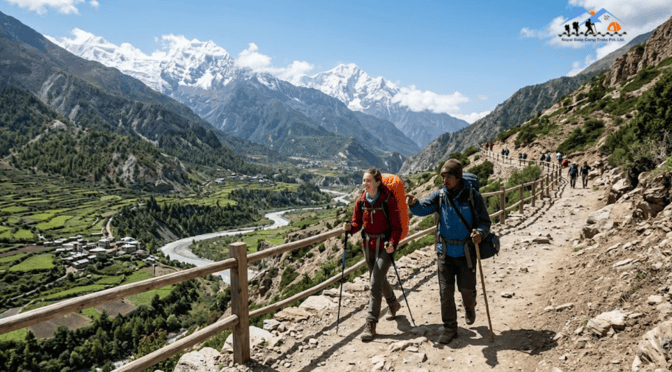
The Poonhill Trek is one of the most popular short treks in Nepal, known for its golden sunrise over the Annapurna and Dhaulagiri ranges.
In only 6 days, you’ll trek through rhododendron forests, trek through Gurung and Magar villages, and finally, see the Himalayas glow at 3,210 m.
But here’s the thing: The difference between a trek you’re going to love or a trek you are going to struggle through is a small detail – your packing list.
Don’t pack warm layers and you’ll find it unbearable to enjoy that sunrise.
Forget to purify your drinking water and you’ll be spending far more time in teahouse bathrooms than in the mountains.
That’s why we’ve put together the ultimate Poonhill trek packing list.
This is more than just a packing list, it is the experience of very experienced guides at Nepal Base Camp Treks and their extensive knowledge of bringing thousands of trekkers safely through the Annapurna region.
Use this ultimate packing list for the Ghorepani Poonhill trek to pack smart, pack light and enjoy every step of the trek.
Why Smart Packing is Important for the Poonhill Trek
Packing for the ghorepani Poon hill trek is different than packing for a holiday in a city.
You will wake in the early hours to hike in near-freezing temperatures, then be hot enough to strip off layers sprinting under a strong midday sun.
The Poonhill weather can change within minutes at high altitude (above 3,000 m), from sunshine to misty, wet and windy conditions in no time.
A clear packing list will ensure:
- You have the right trekking gears that provide you with comfort and safety.
- Your backpack is light (as light as possible, 7 – 10 kg if self-carrying the bag or giving it to a porter).
- You don’t carry unnecessary heavy items (like camping equipment).
Tip from NBCT Guides: The most forgotten items on this trek are gloves and headlamps. Without these, the early morning ascent for the Poon hill climb is probably 2X harder.
Ghorepani Poonhill Trek Route Overview
Before we go through the Poonhill trek packing list, it is important to recognize what the trek looks like.
The Ghorepani Poonhill route is short, but has a bit of everything: stone staircase climbs, rhododendron forest, warm teahouses and of course, the amazing sunrise view of the Himalayas.
Duration, Distance and Altitude
Duration: 6 days (the official Nepal Base Camp Treks itinerary).
Total Distance: approximately 40–50 km of walking.
Highest Point: 3,210 m (10,531 ft) at the viewpoint of Poon hill.
This is not an extreme altitude compared to other high Himalayan expeditions, but still considered a high altitude.
Trekkers may feel breathless on uphill climbs, especially at the Ulleri stone staircase that has 3,000+ stone steps.
Going slow, hydrating and packing light will make a huge difference in these climbs.
Pro Tip: Try to carry only 7–10 kg personally. If you use an NBCT porter, you can carry a little more than 12kg and the trek will be enjoyable.
Weather Conditions and Terrain
The weather at Poonhill changes almost as quickly as you change your layers.
This is why you aren’t just packing optional trekking gear, like a rain cover, warm layers, and trekking poles.
Spring (March—May): Warm daytime hiking, cold mornings and the hills are vibrant with rhododendron blooms. This is peak flower season, as well as one of the most photographed times.
Autumn (September – November): The best season for consistent weather. Clear skies mean there will be a very high chance you will have postcard-perfect views from Poon hill.
Winter (December – February): Quiet trails and snow-covered views. It is magical, with the exception of a freezing dawn. You do need a fleece jacket, a warm hat and thermal layers as essentials.
Monsoon (June – August): Misty forests, muddy and slippery trails, and leeches. Not the best for beginners, but adventurous trekkers might enjoy the picturesque, lush greenery.
The terrain is classic Nepali trekking:
- Long stone staircases (the most famous being at Ulleri).
- Forest trails shaded by oak and rhododendron.
- Rolling ridgelines with peaks in the distance.
- Steep climbs with gentle descending valleys.
In terms of Poon hill trek difficulty, it is easy to moderate.
You won’t need any technical climbing, but you will need stamina and determination to face multiple days of uphill trekking.
Poonhill Trek Packing List – Essential Items
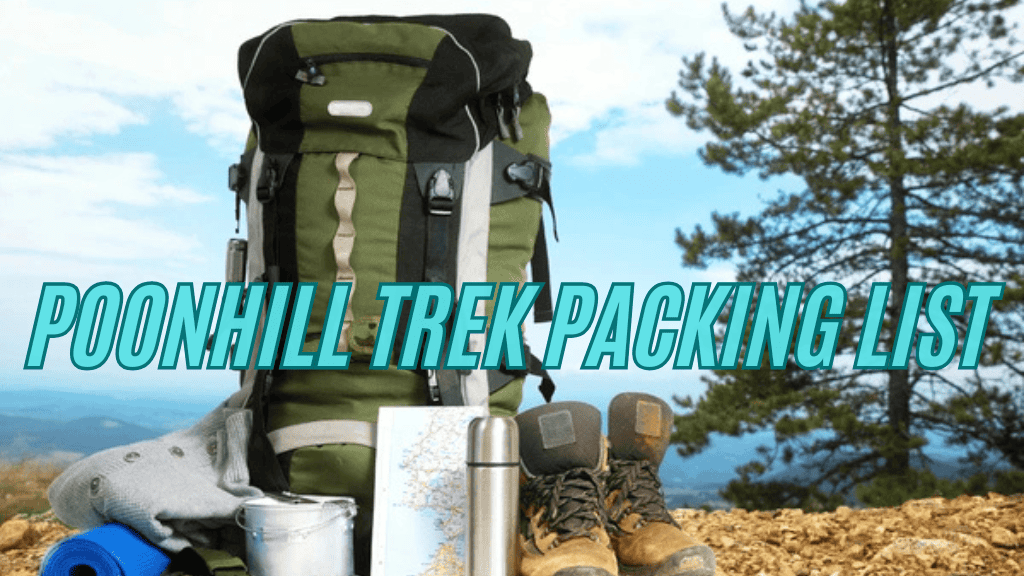
Here is the key Poonhill trek packing list not to miss.
These items have been tested by trekkers and refined by Nepal Base Camp Treks guides who have used them to teach groups about this area of the Annapurna region for decades.
Clothing Items
Thermals (top & bottom) – Your first line of defence against the cold (there can be ice) if you are outside early in the morning at Poon hill.
Fleece jacket – Lightweight, breathable and warm; a must-have layer for evenings, especially.
Trekking pants – Quick-dry pants, preferably with a zip-off leg option.
Trekking shirts – 2-3 moisture-wicking shirts (long/short) sleeves.
Sun hat – You will need a UV protected from the Himalaya sun.
Woolen hat – A must-have for cold weather at dawn during viewings.
Trekking Equipment
Trekking shoes – Good sturdy trekking shoes, preferably waterproof and broken in for stone steps and mud.
Trekking Poles – If you have not used trekking poles, they are a lifesaver for knees, especially those 3,000-plus steps of Ulleri.
Backpack – 30-40L+ size backpack with rain cover provides extra protection from sudden showers for what is in your bag.
Sleeping bag – Bring one that is rated to -5°C. The tea houses will provide blankets on the bed, but that might not be enough for the cold at night.
Toiletries and Hygiene
Filter and Purification tablets – Taking these is much safer and cheaper than buying plastic bottles.
Quick-dry towel – Get yourself a small one that dries within a few hours, even in humid conditions.
Toothbrush and travel-size paste – Pack light ones.
Wet wipes and sanitizer – There are limited showers in tea houses, so taking these will be game-changing.
Fun fact: Locals drink boiled water, but trekkers are recommended to use purification tablets to avoid stomach issues.
Medical & Safety Supplies
First aid kit – Bring band-aids, blister patches and antiseptic cream.
Basic medications – You will need pain relievers, stomach relief and rehydration salts.
Altitude pills – The trek is not extremely high, but some trekkers experience mild symptoms. So, take Diamox after consulting with your doctor.
Professional tip: Store medications in a ziplock bag. Moisture from the tea houses and bad weather will ruin your pill strips fast!
Optional Items Depending on the Season & Comfort Level
The packing list above for the Poonhill trek covers the basics. Depending on the season, you may wish to add a few extras for comfort and safety.
Rainy Season Gear (June – August)
Waterproof jacket and pants – Afternoon rain is common and nothing feels worse than humping in wet clothes; it is exhausting.
Poncho – A lightweight backup that will also cover your backpack.
Anti-leech socks – The rhododendron forest can get leechy after rain. Use them if you don’t want leeches sticking to your legs.
Tip: Keep a dry bag for wet clothing. The idea of putting on wet socks the next morning is very scary for all trekkers.
Winter Season (December – February)
Down jacket – Temperatures at Poonhill can be below freezing before sunrise.
Insulated gloves – If you don’t have gloves, you will feel it, painful to hold your trekking poles on the way up at that hour.
Wool socks (2-3 pairs) – It’s good to have a couple for a warm and comfortable evening.
Extra comfort items (any season).
Neck gaiter or buff – It can be worn as a scarf, as a mask, or an ear warmer.
Light sandals – It is great after a long day in torn-up trekking boots.
Power bank – Tea houses charge for electricity (and a lot of it), which wastes your time and money when you can bring your own power bank.
Fun fact: The Biggest luxury item many trekkers say they brought is a thermos. Fill it up with ginger tea before the hike; it keeps you warm at sunrise and saves you some serious bucks at tea houses.
Packing Considerations for Nepali Trekkers and Foreign Trekkers
The Poonhill trek packing list for Nepali trekkers and foreign trekkers can differ significantly in packing style.
Understanding the differences will help you pack to accomplish a balance between comfort, safety and weight.
Nepali Trekkers- Minimalist Packing
Nepali trekkers tend to pack minimally.
They carry the basics, some warm clothes, various snacks and warm drinks, plus a couple of water bottles.
Because they are familiar with the local trekking routes and weather, they can move at a quick pace without too many items.
Thus, this helps keep their bags light and body fatigue down.
Foreign Trekkers- Everything but the Kitchen Sink
Foreign trekkers are known to carry a full trekking kit
The Poonhill trek packing list mostly includes trekking poles, hydration packs, various layers of clothing, trekking gear and everything else conceivable.
Though it adds more weight, this will give protection and comfort against the ever-changing weather conditions and state climbs.
Renting or Buying Gear in Nepal
Another key decision point is whether to rent or buy trekking gear.
Renting is best for short-term visitors.
It is easy to find rentals in Pokhara and Kathmandu for sleeping bags, down jackets and trekking poles, generally at good prices.
Buying is better for longer-term visitors considering more treks in Nepal.
When you own your trekking pants, trekking shirts and sturdy boots, you can maintain a better sense of hygiene and longer usability.
What to Leave Out of Your Poonhill Trek Packing List
Taking too much on your Poonhill trek is one of the biggest mistakes you can make as a trekker.
The added weight only compounds the difficulty of the 3,000+ stone steps of Ulleri!
Here is a list of things to leave off the list:
Camping Equipment
There is no need for tents, sleeping bags or mats on the Ghorepani Poon hill trek.
This is a lodge-to-lodge trek, which means you will be lodging in tea houses every night.
These houses are clean and cozy, with beds, blankets and meals for you to enjoy.
Carrying camping equipment is just more weight to carry!
Bulky Clothing
You shouldn’t have bulky clothes like heavy jeans, fleece sweater or cotton jackets.
The time required to dry clothing in the Annapurna region is not the only factor to consider; clothing items take up valuable space in your bag.
Too Much Personal Trekking Gear
A huge mistake is bringing duplicates of everything, especially trekking pants and trekking shirts.
In reality, 2 pairs of trekking pants, 2–3 trekking shirts and one sleeping bag are all you need.
Keep the sad factors of personal trekking gear simple, less is more!
Oversized Toiletries
Don’t pack huge bottles of shampoo, soap or lotion.
If you can get bottled travel-size versions, they are always a great way to conserve space and weight.
Tea houses will also provide you with the basic toiletries and you can also purchase a few products in Pokhara.
How This Packing List Helps a Poonhill Trek
A Poonhill trek packing list doesn’t just organize your bag; it determines the difference between a safe and enjoyable adventure versus a terrible one.
The Ghorepani Poonhill trek is short, with steep ups and downs and changeable weather, which makes preparation important.
Lower Fatigue & Improve Confidence
The Poon hill trek is rated easy to moderate, but there is a long stretch of stairs, and at Ulleri, over 3000 stone steps can feel impossible if your pack weight is poorly loaded.
Keeping the weight in your pack around 7-10 kg will help conserve energy and allow you to enjoy the trek.
Technical items like trekking poles, trekking pants and the appropriate footwear give confidence on the uneven terrain.
And if your clothing is layered, it will allow some steadiness at the Poonhill trek altitude of 3,210 m.
Safety & Comfort in All Weather
The weather in the Annapurna region is changeable; it could be sunny at noon, freezing at dawn and raining at night.
Outdoor essentials, including your fleece jacket, thermal layers, sleeping bag and purification tablets, will help keep you warm, dry and healthy.
If you pack a small first aid kit, you will have protection for blisters or stomach issues, two common problems while trekking in Nepal.
Provides Peace of Mind on the Trail
When packed properly, you’ll never have to worry about safety, weather or comfort – you just watch the sunrise at Poon Hill.
With Nepal Base Camp Treks, everything else is taken care of: your Poonhill trek permit, hired guide, porter support, meals and even free rental gear.
Instead of worrying about logistics or the Poonhill trek cost, you get a really nice, well-planned and smooth experience with experts.
That is why many people choose this trek for their first adventure.
It is affordable, safe and one of the best trekking experiences in Nepal.
Conclusion – Pack Smart, Trek Easy
A good Poonhill trek packing list is essential for making the difference between an easy trek or a simply harder trek.
The Ghorepani Poonhill trek is not long but does have steep ascents, often changing weather and the altitude of 3,210 meters, where the average temperature overnight is below 10c.
Packing smart means light trekking gear, sleeping bag, layering clothing and essential gear (purification tablets, aid kit).
The best method to go light is to combine clothing, leaving behind bulky, unnecessary clothes and camping equipment.
At Nepal Base Camp Treks, all your needs to begin your stay and survive your trip will be provided.
You can focus on the journey and we will attend to the rest!
If you are planning your next journey, book your 6-day Poonhill trek today with Nepal Base Camp Treks and enjoy a stress-free trek.