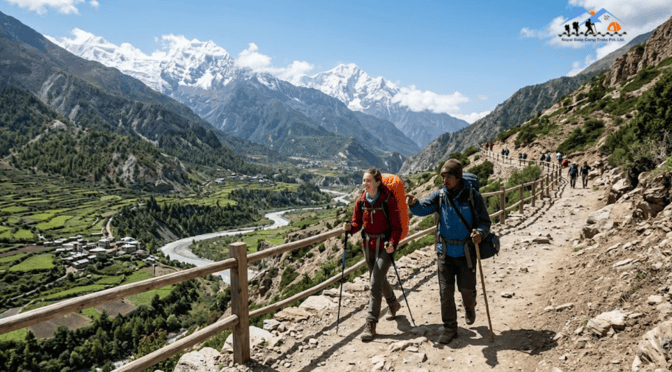
Langtang National Park is Nepal’s closest and most beautiful Himalayan location.
Just 120 km north of Kathmandu, the park boasts snow-covered peaks, rhododendron and pine forests, glacial streams and rich Tamang culture.
Trekkers and nature lovers flock to Langtang due to travel proximity in time, peaceful trails and breathtaking alpine vistas.
If you are asking how to reach Langtang National Park from Kathmandu, then the short answer is to drive on the road to Syabrubesi, the official park entrance or where the Langtang Valley trekking begins.
Then there are trails to some of the more popularly visited places like Lama Hotel, Kyanjin Gompa and Langtang Lirung glacier, which can be nicely explored.
This guide provides you with whatever information you might require: best travel routes, park permits, road conditions, transport options, safety tips and insider tips.
It has been written on the basis of sound local information of Nepal Base Camp Treks to ensure your trip to one of Nepal’s most beautiful Himalayan valleys is safe, smooth and enjoyable.
Langtang National Park and Valley Trek Summary

Langtang National Park is Nepal’s first Himalayan national park and a comparatively accessible high mountain zone to visit from Kathmandu.
The 1,710 square kilometer park features majestic mountain summits, including Langtang Lirung (7,227 m), ancient glacial ice and beautiful forests.
Langtang trekking attracts some trekkers who want to enjoy rich wildlife, deep culture and majestic high Himalayan scenery within an hour’s drive from the capital.
Langtang Trek Quick Facts
Trek Length: 7-10 days
Highest Point: 4,984 meters (Tserko Ri
Best Time: Spring and Autumn
Permits: A TIMS card and Langtang National Park fee
Why Go to Langtang National Park?
- Great Wildlife Experience: The park boasts distinct Langtang National Park wildlife like red panda, Himalayan black bear, musk deer and over 250 species of birds.
- Unbelievable Scenery: Experienced trekkers describe the alpine meadows, rhododendron and pine forests, rivers and glacial lakes as “postcard perfect”.
- Real Culture: Welcome, the Tamang people greet visitors to great Tibetan cuisine-influenced cuisine, historic monasteries and prayer-flag-dotted trekking trails.
The Langtang Valley Trek connection
A vast majority of tourists visit Langtang just to trek the Langtang Valley trek, one of Nepal’s best short Himalayan treks.
The trek begins at Syabrubesi, continues to Lama Hotel and Langtang Village and ends at Kyanjin Gompa with stunning views of glaciers.
Before departure, trekkers need to obtain a Langtang trek permit and TIMS card, which can be readily obtained in Kathmandu or from a good local operator like Nepal Base Camp.
With information about the park’s natural richness, cultural diversity and trekking routes, tourists can prepare better for how to reach Langtang National Park from Kathmandu and make every step count.
Kathmandu to Langtang – Overview of the Main Route

The journey to Langtang National Park from Kathmandu will fill almost an entire day of overland travel, but it also prepares the experience for the trek.
No routine flights exist, so trips always start on the road to Syabrubesi, the park’s southern entrance and the beginning of the Langtang Valley trek.
Conditions of Overland Travel from Kathmandu to Syabrubesi
The journey to Langtang National Park begins from the Machhapokhari Bus Park, Balaju, near the northern edge of Kathmandu.
Jeeps and buses are usually available early morning (i.e., 6-7 am).
A few operators are operating this route and they will usually stop for lunch, so it is proper to bring a packed lunch and necessary beverages, i.e., 1 or 2 water bottles, to the bus.
The ride starts by gradually climbing up the road from Balaju to Kakani, which is itself well known for Himalaya scenery and strawberry farms and follows the Trishuli River along Bidur and Trishuli Bazaar.
The road is generally good and you can see some of the best terraced fields, rhododendron forests and riverside villages along the way.
After lunch, the trip goes again through Dhunche, which is a district headquarters and the official point to enter the Langtang National Park and down to Syabrubesi (1,550 m).
On clear sunny days, the first glimpses of Ganesh Himal and Langtang Lirung are a reward for the long drive.
Distance, Road Conditions and Travel Time
Distance: Approximately 120 km (75 miles)
Travel time: 6 – 8 hours if dry, 9 – 10 hours in monsoon or winter snows
Road conditions: Blacktopped, rough or narrow in some places
Road is crowded and later goes above 2,000 m and then back down, so take the early train to escape any traffic and possible delay due to landslides.
Whether you are on a local bus, shared jeep or traveling by private car, this beautiful drive is the compulsory prelude to approaching Langtang National Park trails.
Transportation from Kathmandu to Langtang

Traveling to Langtang National Park from Kathmandu begins with a road trip to Syabrubesi – the main trailhead for the Langtang Valley trek.
All options are available from the Machhapokhari Bus Park and will give you the chance to see the changing scenery of rivers and hills and distant Himalayan peaks.
Local Buses and Shared Jeeps
Local buses and shared jeeps are the most common way to travel to Langtang National Park from Kathmandu and also the cheapest.
Departure & timing: Most vehicles leave early morning (around 6:00 – 7:30 a.m.). Travel time is usually 7 to 9 hours.
Cost: Buses are about NPR 1,000 – 1,200, shared jeeps around NPR 2,000 – 2,500 per seat.
Experience: Basic seating but rich in local culture; plenty of stops along the Kathmandu to Langtang highway for tea and meals.
Private Jeeps and Hired Vehicles
A private jeep is ideal for trekkers who desire more comfort or are traveling with family or heavy trekking gear.
Service & timing: If you have your hotel pick you up and drop you off and can flexibly stop, you can get from Kathmandu to Langtang National Park very easily (usually 6-8 hours).
Cost: Approximately NPR 15,000 – 20,000 per jeep (up to six or seven persons in a jeep).
Benefit: Safer and more comfortable on poor or rainy days; with much more room for all your backpacks!
Helicopter Tours and Quick Access
Helicopter flights provide the best and quickest access to the Langtang Valley.
Length: Approximately 45 minutes of air time from Kathmandu to Kyanjin Gompa or to the other helicopter pads nearby.
Cost: Variable pricing subject to group size and season.
Best Part: Amazing aerial views of glaciers, high peaks and Tamang villages. This is much more than a trip to Langtang National Park; it is a sightseeing flight from the Himalayas.
Permits and Conditions of Travel
Every trekker will need the appropriate permits to enter Langtang National Park and begin the Langtang Valley trek.
They’re easy to obtain and can be processed in Kathmandu (pre-departure), or you can register at the park checkpoint in Dhunche.
National Park Entry Permits
All visitors must have a Langtang trek permit (official Langtang National Park entry permit).
Cost: NPR 3,390 per person (plus tax) for outsider countries; NPR 1,695 for SAARC citizens; free for children under 10 years old.
Where to obtain: From the Nepal Tourism Board office in Kathmandu, or at the Dhunche park entry.
This permit helps protect wildlife, landscapes and occasionally, endangered animals that call Langtang National Park home (i.e., red pandas and Himalayan black bears).
TIMS Card
The TIMS card (Trekkers’ Information Management System) records your intended trekking route and provides support to evacuate if you have an unfortunate accident.
Cost: NPR 2,000 for personal trekkers and NPR 1,000 if booked through a registered trekking agency.
You must bring your passport photocopy and two passport-sized photographs.
Keep these permits close by during the trek, as you’ll need to show them to rangers, as they typically do random checks along the Langtang Valley trek route.
Scenic Pit Stops and Cultural Experiences Along the Route
The drive from Kathmandu to Langtang National Park is more than just a ride from point A to point B-it’s an introduction to the trek.
Along the way, the road meanders through river valleys, above pine and rhododendron forests and into traditional villages, providing a sensory overload of cultural encounters and stunning alpine vistas.
Remote Villages and Tamang Settlements
You will find many Tamang heritage villages along the way. These villages draw on their centuries-old Buddhist traditions.
If you take a tea break, you will encounter friendly locals and experience hospitality at its best.
Dhunche: District headquarters and Langtang National Park permit checkpoint.
Thulo Bharkhu: and other small hamlets we passed through: Timber carvings, prayer flags and a peaceful rural lifestyle all wrapped up in these wooden houses.
These villages offer the very first of the cultural experiences that follow throughout the Langtang Valley trek.
Scenic Views Along Brand New Road From Kathmandu to Syabrubesi
The scenery gradually changes as you head out of the Kathmandu valley and up hill.
Trishuli River gorge: Much of the road is lined by turquoise waters and falls.
Ganesh Himal and Langtang Lirung: On clear days, the snowy peaks pop up occasionally in the distance.
Forest belts: Lush pine and rhododendron zones provide a natural corridor into the Himalayas.
Brief photo stops or roadside lunch make the journey fun and break up the 7-9 hour ride.
The combination of rivers, forests and mountain views converts the bus ride from Kathmandu to Langtang National Park into a remarkable part of the journey.
Safety, Altitude and Travel Advice
Traveling from Kathmandu to Langtang National Park is an adventure, but it is a journey in the mountains.
Proper planning will keep you safe and comfortable on the trek in Langtang Valley, from the first mile of the road to the highest viewpoint.
Road Safety and Seasonal Conditions
The road from Kathmandu to Syabrubesi is mostly asphalt but narrow and winding.
After Dhunche, some sections of the road will be rough; this is especially true during the rainy seasons.
- The two best seasons to visit are Spring (March–May) and Autumn (September–November) because there is dry weather, clear skies and less chance of landslides.
- The trip to Syabrubesi typically takes 6–8 hours, but in heavy rain or snow during its winter months, it can take 9–10 hours.
- Recommendations: always start your trip very early in the morning, always choose a reputable bus, jeep or private vehicle, always take water and light snacks with you.
Also, it is wise to wear a seat belt and wear a warm layer on the vehicle, since the weather can get cold in the mountains.
Preparing for Altitude while Trekking in Langtang Valley
Syabrubesi is at 1,550 m and then the trek into Langtang Valley goes up above 3,000 m and your trek could also be up to almost 5,000 m at Tserko Ri.
- Walk slowly and drink plenty of water; around three liters of water per day is a good estimate.
- Plan for a rest or acclimatization day at Kyanjin Gompa (3,870 m).
- Look out for altitude symptoms such as headache, nausea or dizziness; if they develop, stop walking.
Additional Safety Tips
- Always have your Langtang trekking permit and TIMS card available to show at checkpoints in Langtang National Park.
- Wear robust trekking boots and multiple layers to help you keep warm and dry.
- Let someone back in Kathmandu know your route as cell service is limited while hiking in parts of the Langtang Valley trek.
- Please be respectful of the local wildlife, including the rare animals in Langtang National Park, like the red panda and the Himalayan black bear.
If you follow a few simple tips, you can ensure you get to experience the full beauty of the journey from Kathmandu to Langtang National Park safely and with reassurance.
Hidden Gems and Side Treks in Langtang
Although the Langtang Valley trek is a classic to remember, there are paths and lookouts that are lesser-known for people who want an extension.
These types of trips show the hidden gems of wildlife, culture and scenery that exist inside Langtang National Park, providing the opportunity to share a fuller narrative when you return home.
Sunrise Hikes to Kyanjin Ri and Tserko Ri
Kyanjin Ri (4,773 m): A short hike, less than half a day, from Kyanjin Gompa. Very convenient for catching the sunrise, with superb views of glaciers, Langtang Lirung and distant peaks.
Tserko Ri (4,984 m): A longer day hike to the highest viewpoint from the Langtang Valley trek. Rewarding 360-degree views of the Himalayas.
Gosaikunda Lake Extension
A sacred alpine lake at 4,380 m, Gosaikunda Lake is a true gem of Nepal.
It will take 4–5 days to cross the Laurebina Pass to arrive at its jewel-like blue water surrounded by rugged peaks.
Spiritual seekers, trekkers and pilgrims alike have come for the energy and solitude of Gosaikunda.
Tamang Heritage Trail
If you are looking for a more in-depth cultural travel guide experience, you can branch out to the Tamang Heritage Trail.
It connects hillside villages, natural hot springs and Tibetan Buddhist monasteries that have existed for centuries.
This trail has fewer followers and allows you to slow down to experience the intimate daily life rhythms of the Tamang.
FAQs – Getting from Kathmandu to Langtang National Park
How far is Langtang National Park from Kathmandu?
The distance from Langtang National Park to Kathmandu is about 120 km (75 miles) by road. The main entry point is Syabrubesi.
What is the best way to get from Kathmandu to Langtang?
Most trekkers get on a bus, shared jeep or a private jeep at the Machhapokhari Bus Park.
Buses are less expensive, jeeps are faster and more comfortable.
How long does it take to get to Syabrubesi from Kathmandu?
The journey takes 6-8 hours when the weather is dry, but the journey can take longer (9-10 hours) during the winter and monsoon season.
Can I fly directly to Langtang National Park?
There are no flights that operate regularly in this area.
Helicopter charters can pick you up or land directly inside the Langtang Valley, often near Kyanjin Gompa.
Do I need to get permits before I leave Kathmandu?
Yes. Trekkers need to carry a Langtang trek permit (Langtang National Park entry) and a TIMS card as well.
You can get the permits either in Kathmandu or at the checkpoint in Dhunche.
Final word
Now you know all the details of how to reach Langtang National Park from Kathmandu.
In one day, you can leave the busy capital and arrive in the quiet mountain valley, going through local Tamang villages, forests and rivers, a primer for the tranquility of the trek in Langtang Valley.
With the appropriate Langtang trek permit and TIMS card and an awareness of the road and altitude conditions, you can set out on your journey smoothly and safely.
When you begin your trek to the snowcapped peaks, red pandas and Buddhist culture reward you every step of the way.
Finding a budget bus, renting a private jeep, or even chartering a helicopter can all make for a memorable journey – but careful planning will ensure that your trek in Langtang National Park is just the start to your Himalayan experience.