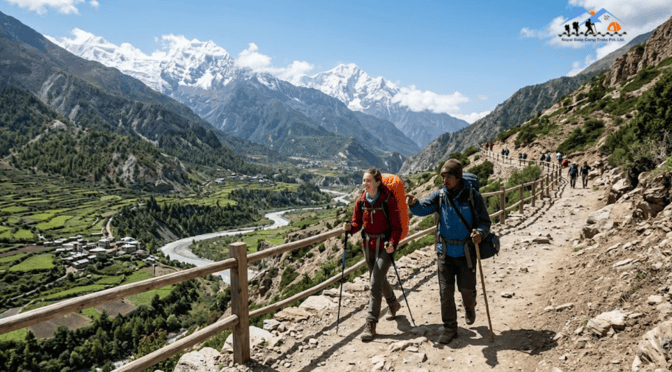
Planning a Himalayan adventure requires more than just enthusiasm; it requires timing. The Annapurna Circuit Trek is one of Nepal’s most iconic high-altitude journeys, taking trekkers through dramatic landscapes, traditional villages, and the famous Thorong La Pass at 5,416 metres. Choosing the right season ensures clearer mountain views, safer trails, and a far more enjoyable trekking experience.
If you’re considering an Annapurna Circuit Trek tour, understanding the seasonal conditions will help you decide when to travel and what kind of adventure to expect.
Why Timing Matters for the Annapurna Circuit Trek?
The Annapurna region experiences significant seasonal weather variations. These changes affect visibility, trail safety, temperature, and even accommodation availability in mountain teahouses.
During the Annapurna Circuit Trek, trekkers move through multiple climatic zones, from subtropical valleys to alpine terrain. So choosing the right trekking window greatly improves comfort and safety. The region is most enjoyable when the skies are clear, and the trails remain dry and stable.
Spring (March to May): Nature at Its Most Vibrant
Spring is widely considered one of the best seasons for trekking in the Annapurna region. Melting winter snow gradually opens high passes, while forests burst into colour with blooming rhododendrons.
Daytime temperatures are generally comfortable, ranging from around 10°C to 20°C at lower elevations, while higher altitudes remain cooler. Clear skies often reveal spectacular views of Annapurna, Dhaulagiri, and the surrounding Himalayan peaks.
For trekkers seeking colourful landscapes, moderate weather, and vibrant mountain scenery, this is an ideal season to experience the Circuit Trek.
Why spring is popular:
- Blooming rhododendron forests
- Stable weather conditions
- Excellent mountain visibility
- Comfortable trekking temperatures
April is particularly favoured among trekkers due to consistent weather and stunning views.
Autumn (September to November): The Classic Trekking Season
Autumn is often considered the absolute peak trekking season in Nepal. After the monsoon rains clear the atmosphere, the skies become incredibly crisp, and visibility improves dramatically.
During this period, temperatures are mild during the day and cool at night, making long trekking days pleasant. The trails are generally dry, which reduces the risk of slips and landslides.
For travellers planning an Annapurna Circuit Trek tour, autumn offers the most reliable weather window and postcard-perfect Himalayan panoramas.
Key highlights of autumn trekking:
- Crystal-clear mountain views
- Stable and predictable weather
- Dry and safer trails
- Ideal photography conditions
October is frequently regarded as the best month overall because of its perfect balance of weather and visibility.
Winter (December to February): Quiet but Challenging
Winter trekking is possible but requires preparation. Temperatures drop significantly, particularly at higher elevations such as Thorong La Pass.
Snowfall may close certain sections of the route, and freezing temperatures can make trekking conditions demanding. However, experienced trekkers sometimes choose winter for its solitude and snow-covered landscapes.
Pros:
- Fewer crowds
- Dramatic snowy scenery
Challenges:
- Extremely cold nights
- Possible pass closures
- Increased technical difficulty
Monsoon (June to August): Least Recommended
The summer monsoon brings heavy rainfall to much of Nepal. Trails can become muddy and slippery, and landslides may occur in certain sections.
Cloud cover also limits mountain visibility, which reduces the scenic reward of the trek.
Common monsoon challenges:
- Heavy rainfall
- Reduced visibility
- Leeches and muddy trails
- Higher risk of landslides
For most trekkers, this season is not ideal for long Himalayan journeys.
Choosing the Right Season for Your Trek
Your ideal trekking time depends on what you value most in your adventure.
- For clear skies and classic Himalayan views: October or November
- For blooming landscapes and mild weather: April or May
- For fewer crowds: March or late November
- For solitude and winter scenery: December (experienced trekkers)
If you want the most balanced experience of weather, scenery, and trail conditions, spring and autumn remain the top choices recommended by trekking experts.
Bottom Line
The Himalayas reward those who plan wisely. While the Annapurna region is beautiful year-round, spring and autumn consistently provide the safest and most visually stunning conditions for trekking. By choosing the right season, trekkers can enjoy clear mountain views, stable weather, and an unforgettable journey through one of Nepal’s most diverse trekking routes.
Whether you seek colourful forests, crystal-clear peaks, or peaceful mountain trails, timing your Annapurna Circuit Trek adventure properly will transform a good trek into a truly extraordinary experience.
With experienced local guides and carefully crafted itineraries, Nepal Base Camp Treks Pvt Ltd delivers authentic Himalayan journeys that prioritise safety, cultural insight, and unforgettable mountain experiences. Our dedicated team ensures every traveller enjoys a hassle-free and meaningful adventure.
FAQs
1. When is the best time to do the Annapurna Circuit Trek?
The best months are typically March to May and September to November. During these seasons, trekkers enjoy stable weather, clear skies, and comfortable temperatures along the Annapurna Circuit Trek route.
2. How long does a typical Annapurna Circuit Trek tour take?
A standard Annapurna Circuit Trek tour usually takes between 12 and 18 days, depending on the itinerary, acclimatisation days, and route variations chosen by trekkers.
3. Is the Annapurna Circuit suitable for beginners?
The trek is considered moderate to challenging due to its altitude and long walking days. Beginners can complete it successfully with proper fitness, acclimatisation, and preparation.
4. What is the highest point of the trek?
Thorong La Pass is the highest point of the route, reaching approximately 5,416 metres above sea level, making it one of the highest trekking passes in the world.
5. Do trekkers need permits for this trek?
Yes. Trekkers must obtain an Annapurna Conservation Area Permit (ACAP) and a Trekkers’ Information Management System (TIMS) card before starting the trek.
6. How difficult is crossing Thorong La Pass?
Crossing Thorong La is physically demanding due to altitude and cold temperatures. However, with gradual acclimatisation and proper pacing, most trekkers complete it safely.
7. What type of accommodation is available on the route?
Most trekkers stay in traditional teahouses or mountain lodges that provide basic rooms and hot meals throughout the journey.
8. How many hours do trekkers walk each day?
On average, trekkers walk 4–8 hours per day depending on the terrain, elevation gain, and itinerary.
9. Is altitude sickness a concern?
Yes, altitude sickness can occur above 3,000 metres. Proper acclimatisation days and gradual ascent significantly reduce the risk.
10. What should trekkers pack for the journey?
Essential gear includes layered clothing, trekking boots, a sleeping bag, warm gloves, a down jacket, sunscreen, and a good backpack.