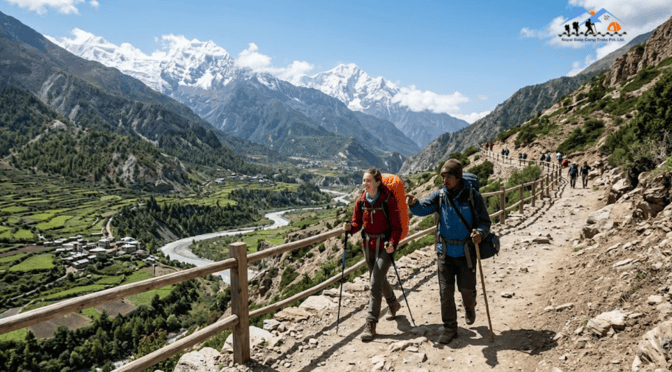
The Himalayas are not only about towering peaks and dramatic landscapes; they are also home to some of the richest mountain cultures in the world. While the Annapurna Circuit Trek is globally celebrated for its breathtaking scenery, the cultural immersion along the trail often becomes the most memorable part of the journey.
Travelling through diverse villages, ancient monasteries, and traditional tea houses, trekkers experience authentic Himalayan lifestyles shaped by centuries of tradition. If you’re planning for this trek tour, you’ll quickly realise that every step introduces you to a new culture, belief system, and way of life.
Let’s explore the cultural highlights that make this trek so unique.
1. Traditional Mountain Villages and Local Lifestyle
One of the most fascinating aspects of the Annapurna Circuit Trek is the opportunity to walk through remote Himalayan villages that have preserved their traditions for generations.
Communities such as the Gurung, Thakali, and Manangi people live along the trail. Their stone-built homes, prayer flags fluttering in the wind, and terraced farms create a timeless mountain atmosphere.
Trekkers often stay in family-run tea houses where hosts share local stories and hospitality. During the Annapurna Circuit Trek tour, these interactions allow travellers to understand daily life in the Himalayas from farming practices to seasonal festivals.
2. Buddhist Monasteries and Spiritual Traditions
Religion plays a central role in the Annapurna region. As you ascend higher into the mountains, Tibetan Buddhist influence becomes more visible.
Along the Circuit Trek, trekkers frequently pass mani walls, chortens, and centuries-old monasteries. Villages like Braga and Manang feature monasteries where monks chant ancient prayers and spin prayer wheels for blessings.
Participating respectfully in these rituals during the trek tour offers a meaningful insight into Himalayan spirituality and the peaceful philosophy that shapes local communities.
3. Tibetan-Influenced Culture in the Upper Region
As the trail climbs towards the northern sections of the circuit, the cultural landscape begins to resemble Tibetan highland communities.
You’ll notice prayer flags, yak caravans, and traditional clothing influenced by Tibetan heritage. The architecture also changes flat-roofed houses designed to withstand harsh mountain climates, dominating the villages.
Experiencing this cultural shift during the Annapurna Circuit Trek makes the journey feel like travelling across multiple regions and traditions within a single trek.
4. Unique Himalayan Cuisine
Food is an important cultural experience during the Annapurna Circuit Trek tour. Trekkers are introduced to traditional Nepali and Himalayan dishes that provide energy for long walking days.
Popular meals include:
- Dal Bhat – a staple meal of rice, lentils, and vegetables
- Thukpa – a warming noodle soup influenced by Tibetan cuisine
- Momos – delicious dumplings often served with spicy sauce
Sharing these meals with fellow trekkers and local hosts is a highlight of this trek, offering both nourishment and cultural connection.
5. Colourful Festivals and Cultural Celebrations
Depending on the season of your Annapurna Circuit Trek tour, you may encounter vibrant local festivals celebrated in mountain villages.
Events such as Dashain, Tihar, and Losar bring communities together through music, dancing, traditional dress, and spiritual ceremonies.
Witnessing these celebrations allows trekkers to see the joyful side of Himalayan culture and understand how traditions continue to shape everyday life.
6. Tea House Culture and Trekking Community
Tea houses are an integral part of trekking culture in Nepal. These cosy mountain lodges provide meals, accommodation, and a welcoming space for travellers from around the world.
During the Circuit Trek, evenings often turn into cultural exchanges, trekkers share stories while locals discuss mountain history, religion, and regional customs.
For many visitors, these moments become the heart of the trek tour, transforming the trek from a physical adventure into a cultural journey.
Wrapping It Up
The Himalayas offer far more than spectacular landscapes. The Annapurna Circuit Trek is a rare opportunity to explore living cultures that have thrived in the mountains for centuries. From traditional villages and Buddhist monasteries to authentic Himalayan cuisine and vibrant festivals, every day on the trail reveals a new cultural perspective.
Plan your Himalayan adventure with Nepal Base Camp Treks Pvt Ltd, a trusted local operator delivering authentic trekking experiences with expert guides and personalised itineraries. Experience the Annapurna region with a team dedicated to safety, culture, and unforgettable mountain journeys.
FAQs
1. What cultural communities live along the Annapurna Circuit?
The Annapurna Circuit Trek passes through villages inhabited by Gurung, Thakali, and Tibetan-influenced communities. Each group has unique traditions, languages, and cultural practices.
2. Do trekkers experience local culture during an Annapurna Circuit Trek tour?
Yes, an Annapurna Circuit Trek tour allows travellers to stay in tea houses, visit monasteries, and interact with local families, making cultural immersion a key part of the experience.
3. Are there monasteries along the Annapurna Circuit?
Yes. During the trek, trekkers often visit ancient Buddhist monasteries in villages such as Braga and Manang, where monks perform daily rituals.
4. What traditional foods can you try during the trek?
The trek introduces travellers to Nepali and Himalayan cuisine such as dal bhat, momos, thukpa, and Tibetan bread served in tea houses.
5. How does Tibetan culture influence the Annapurna region?
Higher sections of the Circuit Trek show strong Tibetan influence in architecture, clothing, and religious practices due to historic trade routes between Nepal and Tibet.
6. Are local festivals visible during the Annapurna Circuit Trek?
Yes, if your adventure journey coincides with festivals like Dashain, Tihar, or Losar, you may witness colourful celebrations and traditional rituals.
7. What is tea house culture in the Annapurna region?
Tea houses are small mountain lodges where trekkers eat, sleep, and interact with locals. They are an essential part of the Annapurna experience.
8. Is the Annapurna Circuit culturally diverse?
Yes. The trek crosses multiple ecological zones and ethnic regions, offering one of the most culturally diverse trekking routes in Nepal.
9. Can trekkers interact with local families?
During the tour, staying in family-run tea houses allows trekkers to share meals and conversations with locals, creating authentic cultural exchanges.
10. Why is culture an important part of the Annapurna Circuit Trek?
Beyond landscapes, the region provides insight into Himalayan traditions, spirituality, and daily life, making the journey both culturally enriching and adventurous.