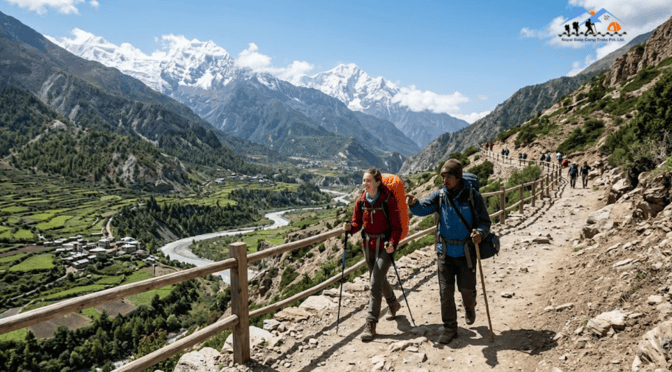
Few Himalayan journeys offer the diversity, rhythm, and cultural immersion found on the Annapurna Circuit. For trekkers curious about daily life on the trail, understanding the routine helps set expectations and build excitement before the adventure begins.
Here’s what a typical day feels like on the Annapurna Circuit Trek, from sunrise in mountain villages to evenings under the Himalayan sky.
Early Morning: Sunrise Over the Himalayas
A trekking day usually begins around 6:00–7:00 AM. The crisp mountain air, distant bells from grazing yaks, and golden sunlight touching snow peaks create an unforgettable wake-up call.
Most trekkers start their morning with tea or coffee, followed by a hearty breakfast at a teahouse. Meals often include porridge, eggs, Tibetan bread, or pancakes, fuel for a long day on the trail. Before leaving, guides review the day’s route, weather conditions, and altitude considerations.
During a well-planned Annapurna Circuit Trek tour, mornings are intentionally relaxed to allow the body to adjust gradually to increasing altitude.
Morning Trekking: Walking Through Changing Landscapes
By around 8:00 AM, trekking begins. The morning hours are considered the best time to walk because temperatures are cooler and skies are usually clearer.
The trail often winds through forests, suspension bridges, and terraced villages. As trekkers ascend deeper into the Himalayas, the landscape gradually shifts from lush green valleys to rugged alpine terrain.
One of the most fascinating sections passes through Manang, a high-altitude village surrounded by dramatic mountain views. Here, trekkers begin to notice thinner air, making a steady pace essential.
During the Annapurna Circuit Trek, guides encourage slow walking, frequent hydration, and short rest stops every hour.
Midday Break: Lunch with Mountain Views
Lunch usually takes place between 11:30 AM and 1:00 PM in a small mountain settlement or teahouse along the trail.
Popular trekking meals include:
- Dal Bhat (Nepal’s traditional rice and lentil dish)
- Vegetable noodles or fried rice
- Soup and Tibetan bread
Dal Bhat is particularly popular because it provides long-lasting energy and unlimited refills in many lodges.
Trekkers often spend 45–60 minutes resting before continuing the afternoon journey.
Afternoon Trek: Gradual Progress Toward the Next Village
The afternoon section is typically shorter, about 2–3 hours of trekking. By this time, the sun is stronger, so a steady but comfortable pace becomes important.
As altitude increases, trekkers pass iconic Himalayan landmarks such as Thorong La Pass, one of the highest trekking passes in the world.
Crossing this pass is often the highlight of the Annapurna Circuit Trek, rewarding trekkers with panoramic views of the Annapurna and Dhaulagiri mountain ranges.
A well-structured Annapurna Circuit Trek tour ensures proper acclimatisation days before attempting high passes like this.
Evening: Teahouse Life and Local Culture
Most trekking days end around 3:00–4:00 PM when trekkers reach the next village.
Accommodation is usually in traditional teahouses, simple but welcoming lodges run by local families. After arrival, trekkers typically:
- Enjoy hot tea or ginger lemon drinks
- Relax, read, or explore the village
- Socialise with fellow trekkers
Dinner is served around 6:30–7:00 PM in a warm dining hall heated by a central stove.
Many evenings offer opportunities to learn about local traditions and cultures influenced by Tibetan Buddhism, especially near sacred places like Muktinath Temple.
Night: Rest and Preparation for the Next Day
Trekkers usually head to bed early, often by 9:00 PM. Proper rest is essential for recovery and altitude adaptation.
Bottom Line
A typical day on the Annapurna Circuit Trek blends adventure, culture, and natural beauty in a balanced rhythm. From sunrise breakfasts and scenic walks to warm teahouse evenings, every moment contributes to a deeper Himalayan experience. Understanding this daily flow helps trekkers prepare physically and mentally for the journey ahead, making the entire experience both rewarding and memorable.
Plan your Himalayan adventure with Nepal Base Camp Treks Pvt Ltd., a trusted local expert known for experienced guides and well-organised itineraries. Our carefully crafted Annapurna Circuit Trek tour ensures safety, comfort, and an authentic trekking experience across Nepal’s iconic trails.
FAQs
1. How difficult is the Annapurna Circuit Trek for beginners?
The Annapurna Circuit Trek is considered moderate to challenging. Beginners can complete it successfully with proper fitness, gradual acclimatisation, and a steady trekking pace.
2. How many hours do trekkers walk each day?
Most trekking days involve 5–7 hours of walking, including breaks for tea and lunch. The exact duration varies depending on altitude and distance between villages.
3. What is the highest point on the trek?
The highest point is Thorong La Pass at 5,416 metres. Crossing it is often the most thrilling and physically demanding day.
4. What kind of accommodation is available on the route?
Trekkers stay in teahouses—simple mountain lodges with basic rooms, shared bathrooms, and warm dining areas for meals and socialising.
5. What food is typically served during the trek?
Common meals include Dal Bhat, noodles, soups, rice dishes, eggs, pancakes, and tea. The food is nutritious and designed to provide sustained trekking energy.
6. When is the best time to do the trek?
The best seasons are spring (March–May) and autumn (September–November), when the weather is stable, and the mountain views are clear.
7. Do trekkers need acclimatisation days?
Yes. Acclimatisation stops—especially around Manang—help the body adjust to higher altitude and reduce the risk of altitude sickness.
8. Is a guide recommended for this trek?
Hiring a guide is highly recommended. They help with navigation, safety, altitude management, and cultural insights throughout the journey.
9. How long does an Annapurna Circuit Trek tour usually take?
A typical Annapurna Circuit Trek tour lasts between 12 and 18 days, depending on the chosen itinerary and acclimatisation schedule.
10. What permits are required for the trek?
Trekkers need an Annapurna Conservation Area permit and a TIMS card to legally enter and trek within the region.