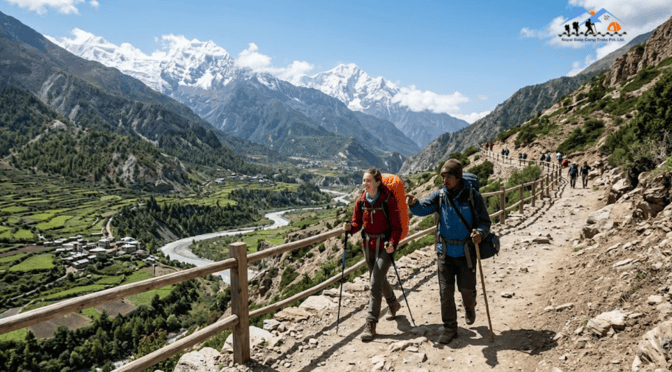
Nepal is a dream destination for trekkers. From the legendary Everest Base Camp to the serene Annapurna trails and the wild beauty of Manaslu, it’s easy to imagine the trip as “just trekking shoes, a backpack, and the mountains.” But once you start planning, you will quickly realise that the real budget isn’t only about your trek package or daily meals, it’s the hidden costs that can quietly add up.
If you are planning a trek in Nepal, here are the most common “surprise expenses” travellers often overlook—especially permits, guides, and flights.
1. Trekking Permits: The Cost You Can’t Avoid
Nepal has some of the most regulated trekking routes in the world, and permits are mandatory for most regions. Many trekkers assume permits are a small formality, but depending on your route, they can become a significant part of your total spend.
Some treks in Nepal require multiple permits, such as:
- National park or conservation area entry permits
- TIMS card (Trekker’s Information Management System)
- Restricted area permits (for routes like Manaslu, Upper Mustang, Nar Phu Valley, and more)
Restricted area permits are usually the biggest shock. They often require trekking through an authorised agency and may have minimum-day requirements. Even if you’re trekking independently in popular regions, permit fees can still add up once you include entry permits, documentation, and processing charges.
Hidden cost alert: If you forget a permit checkpoint or don’t have the right documents, you may need to backtrack, or pay extra to arrange it urgently.
2. Guides & Porters: Not Just an “Optional Extra”
Many travellers assume hiring a guide or porter is optional. In reality, guides are becoming increasingly important due to safety rules, route complexity, and changing regulations when it comes to trekking in Nepal. Even when not legally required on certain trails, having a guide can make your trek smoother, safer, and more enjoyable.
A guide helps with:
- navigation and trail decisions
- communication with locals and teahouses
- altitude safety and emergency planning
- cultural insights and hidden viewpoints you might miss
Porters are equally valuable, especially on longer treks where carrying 10–15kg daily can drain your energy. Many trekkers underestimate how exhausting high-altitude walking becomes, even if they’re fit.
Hidden cost alert: It’s not only the daily guide/porter fee—you may also spend on their accommodation, meals, insurance, and tips depending on your arrangement.
3. Domestic Flights: The Budget Breaker for Popular Treks
If your trekking plan includes remote trailheads, domestic flights can become one of the biggest hidden costs, especially for Everest region treks.
For example, flights to mountain airports like Lukla are often priced higher than travellers expect, and they’re not always reliable due to weather. Delays and cancellations are common, and when your trek schedule is tight, you might be forced to spend extra nights in Kathmandu or nearby gateway towns. So, you need to plan tours in Nepal accordingly.
And if you’re short on time? You may end up paying for:
- last-minute flight changes
- helicopter alternatives (very expensive)
- extra hotel stays and meals during delays
Hidden cost alert: Many trekkers forget to add “buffer days” into the plan, and when flights shift, the budget suffers fast.
4. Transportation to Trailheads: Jeeps, Buses & Surprise Upgrades
Not all treks start with a flight. Some require long drives on rough mountain roads. While local buses are cheaper, many travellers eventually choose jeeps for comfort, speed, or safety—especially after a few hours of bumpy travel.
This becomes a hidden cost when:
- you switch to a private jeep mid-trip
- roads are blocked and routes change
- you need to pay extra for a shared vehicle seat
Even within the same trekking region, transportation costs can vary dramatically depending on the season and demand. So, while exploring Nepal trekking packages, take a look at the prices included.
5. Accommodation & Food Costs Increase With Altitude
A common misconception is that trekking in Nepal is cheap once you’re on the trail. While teahouses are affordable at lower altitudes, prices climb higher up, because everything is carried in by porters, yaks, or mules.
Expect higher costs for:
meals (especially protein, snacks, and hot drinks)
charging your phone or power bank
hot showers
Wi-Fi access
Hidden cost alert: Even if your room is cheap, teahouses often rely on food sales—so you’ll spend more on meals than you planned.
6. Gear, Rentals & “I Forgot That” Purchases
Nepal is famous for affordable trekking gear, especially in Kathmandu and Pokhara. But last-minute shopping can still blow your budget.
You may need to buy or rent:
sleeping bags and down jackets
trekking poles
microspikes (seasonal)
waterproof layers
duffel bags for porters
Even small items like gloves, headlamps, and water purification tablets add up quickly when purchased in a rush.
In Conclusion: Plan Smart, Trek Stress-Free
Trekking in Nepal can absolutely be done on a budget, but only if you plan beyond the obvious costs. Permits, guides, and flights are the big three that surprise most trekkers, but transport, altitude expenses, gear, and delays can quietly increase your total spend.
The best approach? Build a realistic budget with a buffer, allow extra days for travel uncertainty, and treat guides and porters as part of the experience—not an afterthought.
Because in Nepal, the mountains may be timeless, but your expenses can rise faster than the altitude.
Frequently Asked Questions
1. Why do permit costs vary so much between trekking regions in Nepal?
Permit prices depend on whether the trail falls under a conservation area, national park, or restricted zone, and some routes require multiple permits.
2. Do restricted area permits automatically include a guide, or is that charged separately?
Restricted permits don’t include guide fees—guides are usually mandatory for these regions and are paid separately through an authorised trekking agency.
3. What happens if I arrive at a checkpoint without the correct permits?
You may be stopped from continuing, forced to return to the nearest town to arrange permits, or pay extra to fix documentation urgently.
4. Are domestic flights in Nepal refundable if weather cancels the trip?
Some flights offer partial refunds or rescheduling, but policies vary and delays can still lead to extra hotel and food expenses.
5. Why do teahouse meal prices increase sharply at higher altitudes?
Higher areas have limited access and supplies are carried in by porters or animals, which increases transportation costs and food pricing.
6. Is hiring a porter worth the cost for shorter treks?
It depends on your fitness, pace, and comfort—many travellers still prefer porters to reduce fatigue and enjoy the trek more.
7. How much extra budget should I keep for flight delays on routes?
It’s smart to keep a buffer for 1–3 extra days of accommodation, meals, and transport due to frequent weather disruptions.
8. Are helicopter flights a realistic backup option if flights are cancelled?
Helicopters can be a backup, but they are expensive and often require sharing costs with other travellers to be affordable.
9. What are the most commonly forgotten trekking expenses people regret not planning for?
Charging devices, hot showers, snacks, bottled water, Wi-Fi, and emergency transport are often overlooked but add up quickly.
10. Can trekking independently be cheaper than going through an agency in Nepal?
On open routes it can be cheaper, but restricted routes require agencies, and independent trekking may still cost more if logistics go wrong.
Planning a Trek? Call or WhatsApp Now
Nepal Base Camp Trek Pvt. Ltd. is one of the most trusted Nepal trekking companies. If you need more details about a trek or need to book one, call or WhatsApp +9779851111874 now.