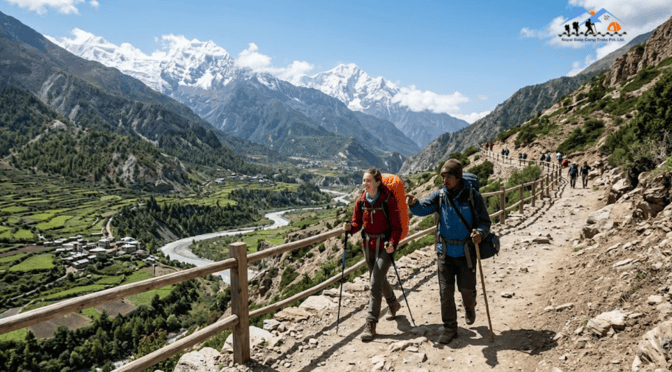
Have you planned to appease your adventurer soul by picking up a trip to the roof of the world: the price tag? Have you decided to tackle the iconic journey to Mount Everest Base Camp Trek? It’s a brilliant choice. Nepal, with its heart-stopping Himalayan panoramas and rich, ancient cultures, is the undisputed Nepal Base Camp for global trekking.
From the lush trails of Annapurna to the rugged beauty of Langtang, the options for classic trekking in Nepal are endless. But the big one, the pilgrimage to Everest, sits in a league of its own. Yet, when you start looking at quotes, the numbers can be all over the shop—from suspiciously cheap to eye-wateringly expensive. So, what’s the fair go? Let’s break down the real costs, why they differ, and how you can make sure you’re getting true value, not just a slick sales pitch.

The Bare Bones: What You’re Actually Paying For
First off, let’s ditch any notion that this is a casual bushwalk. The Everest Base Camp Trek is a remote, high-altitude expedition. Your payment isn’t for a product; it’s for a complete support system. It covers permits, meals, accommodation in teahouses, and, most critically, the expertise of your crew. Think of it as funding a mobile safety and logistics network that travels with you for two weeks. A rock-bottom price almost always means corners are being cut, usually where it hurts most: your support team’s wages, insurance, or proper equipment.
The Guide & Porter Equation: The Cornerstone of Cost
This is the single biggest factor. A licensed, experienced guide is worth their weight in gold. They are your navigator, your cultural interpreter, your first-aid officer, and your decision-maker when the weather turns. Porters, treated ethically with proper gear, weight limits, and insurance, are the backbone of the operation. A reputable company invests heavily in their team’s training, fair pay, and welfare. That Amazing Bargain Deal? It often translates to an underpaid, overworked guide. That’s not the kind of operation you want looking out for you at 5,000 metres. True value here means investing in people.
Inclusions & Exclusions: The Devil’s in the Detail
You need to read the fine print like a hawk. Does the quoted Mount Everest Base Camp Trek cost include all your meals on the trail, or just some? What about your domestic flights to Lukla? Are all national park and local permit fees covered? Is there a satellite phone for emergencies? A good operator lays this out with total transparency. Unexpected costs creep in when things like airport transfers, bottled water, or even the guide’s tip are excluded from the initial quote. A comprehensive, slightly higher price is almost always better than a lowball quote with hidden add-ons.
The “Extras” That Aren’t Optional
Some items are non-negotiable and aren’t typically included in a standard package. Your international flights, comprehensive travel insurance (mandatory for trekking in Nepal at high altitude), personal gear, and tips for your crew are your responsibility. Factoring these in from the start gives you a realistic total budget. Also, consider a contingency fund for extra rest days, a hot shower, or a celebratory beer. Any company promising an “all-inclusive” price that somehow covers your flights from Sydney is having a laugh.
The Season Sway: Timing is Everything
Your timing directly impacts your wallet. Peak seasons (Spring and Autumn) see higher demand and prices. Trekking in the off-season (Winter or Monsoon) can be cheaper, but it comes with greater challenges like colder temperatures, snow on the passes, or wet trails. The cost reflects not just demand, but also the operational adjustments needed for your safety and comfort during these periods. You’re paying for the optimal window of clear skies and stable paths.

How to Spot Value & Avoid Being Stung
So, how do you navigate this? It’s about asking the right questions. Grill potential operators on their guide qualifications, porter welfare policies, and exactly what’s included. Check for genuine, verifiable online reviews. A trustworthy company, like Nepal Base Camp specialists, will be upfront and detailed in their answers. They’ll want you to be prepared. Remember, the goal is to find a partner for your adventure, not just a vendor. The cheapest option is often the most expensive mistake you can make, risking your safety and the incredible experience you’ve worked hard to enjoy.
FAQs
Why is there such a huge price range for the same Everest Base Camp trek?
The vast difference in Everest Base Camp Trek quotes comes down to what’s included, the quality of the service, and the company’s ethics. Rock-bottom prices often cut corners on guide wages, insurance, or safety gear. A fair price covers a sustainable, professional operation focused on your safety and experience.
What should a standard trekking package actually include?
A transparent, all-inclusive package should cover your trekking permits, all meals on the trail, lodge accommodation, an experienced, licensed guide and porter team (with their insurance, wages, and gear), airport transfers, and domestic flights to/from Lukla. Always ask for a detailed breakdown.
Where do hidden costs typically pop up?
Hidden fees often lurk in exclusions like: bottled water throughout the trek, charging electronic devices in lodges, hot showers, extra snacks, Wi-Fi cards, and tips for your guide and porter. A quality operator will brief you on these incidental costs upfront so you can budget.
How does the choice of guide impact the overall cost?
An experienced, well-trained guide is your single most important asset and a key cost factor. They command a fair wage. Cheaper outfits may use unlicensed or inexperienced guides to save money, significantly impacting your safety and enjoyment. Investing in expertise is never overpaying.
Are porter welfare and proper gear included in the price?
Ethical operators factor in the proper cost of porter welfare: limiting carried weight, providing insurance, suitable clothing, and accommodation. If a price seems too good to be true, ask specifically about their porter policy. A responsible trek in Nepal ensures the entire team is cared for.
Does travelling in a group affect the price per person?
Absolutely. Joining a fixed-departure group trekking tour is almost always more cost-effective than a private trek, as expenses like guides, permits, and logistics are shared. This is one of the best ways to access a professional service at a more accessible price point.
What’s not included that I must budget for separately?
You must separately budget for: international flights, comprehensive travel insurance (mandatory for high-altitude trekking), Nepalese visa fees, personal trekking gear, lunches/dinners in Kathmandu, and personal expenses (souvenirs, extra beverages). Also, always have a contingency fund.
How can I verify a company’s legitimacy and avoid scams?
Check for genuine, detailed online reviews, verify their Nepal Tourism Board license, and ask for direct client references. Be wary of international brokers; booking directly with a reputable local operator in Nepal often provides better value and assurance.
Is it cheaper to book online in advance or arrange things last minute in Kathmandu?
Booking in advance with a reputable company secures your spot, allows for proper planning, and often locks in a good price. Last-minute deals in Kathmandu can be risky, involving unlicensed operators or rushed, poorly planned itineraries. For a major trek, advance planning is wiser.
What’s the best question to ask to ensure I’m not overpaying for poor quality?
Ask: “Can you provide a full, line-item cost breakdown and explain your guide/porter hiring and welfare policies?” A trustworthy company will be transparent. If they are vague or avoid the question, walk away. True value lies in clarity, ethics, and safety—not just the lowest number.
The Bottom Line
Ultimately, the cost of your Everest Base Camp Trek is an investment in a life-changing experience, done safely and responsibly. It pays for the local expertise that gets you there and back in one piece, and it supports the communities you pass through. Don’t get dazzled by a low number or a fancy website.
Look for transparency, ethical practices, and a company that communicates with clear, honest Aussie directness. Pay for the expertise that lets you just focus on putting one boot in front of the other, all the way to the foot of the world’s highest mountain. That’s the real value. Now, get your quotes, ask the hard questions, and start packing.
Your mountain is awaiting you! Don’t just dream it. Live it. Call us and let our team at Nepal Base Camp Treks build your perfect Everest Base Camp journey and create a story you’ll cherish and tell for your lifetime!